

Why Hydrovac Is the Preferred Method for Locating Buried Utilities
Nothing beats it.
Posted 11:02 September 10, 2026
Last Updated 11:02 September 10, 2026
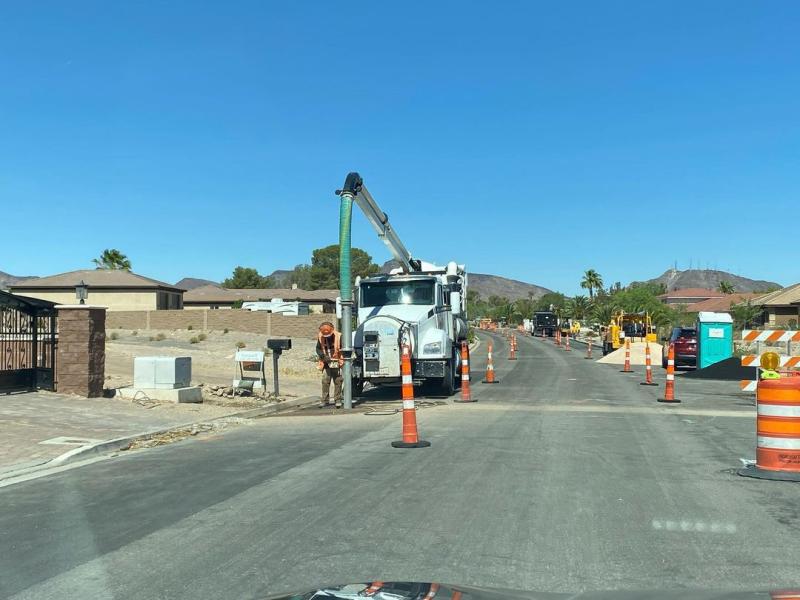
Potholing and daylighting are essential steps in many construction, utility, and infrastructure projects because they allow crews to physically confirm the location and depth of buried lines before excavation begins. Hydrovac excavation has become a preferred method for this work because it offers a high level of precision while reducing the risk of damaging underground utilities. A hydrovac truck uses pressurized water to loosen soil and a powerful vacuum system to remove the resulting slurry into a debris tank. This process allows crews to expose gas lines, electrical conduits, water mains, sewer lines, fiber optic cables, and communication lines without relying on aggressive mechanical digging.
One of the main reasons hydrovac is preferred for potholing is safety. Utility maps, locating equipment, and surface markings are valuable, but they do not always provide the exact depth or position of a buried line. Utilities may have shifted over time, records may be outdated, or multiple services may be installed close together. Hydrovac excavation allows crews to carefully remove soil from a small area until the utility is visible. Once exposed, the crew can verify its location and depth before larger equipment begins trenching, drilling, grading, or foundation work.
Hydrovac daylighting is also useful because it minimizes surface disturbance. Traditional excavation may require opening a larger area than necessary, especially when the exact location of a utility is uncertain. A hydrovac truck can create a relatively small pothole at a targeted location, reducing the amount of pavement, landscaping, or soil that must be disturbed and restored. This can be especially valuable on streets, sidewalks, parking lots, commercial properties, and other developed areas where restoration costs can quickly increase.
Another major advantage is improved project planning. Once hydrovac crews expose a buried utility, engineers and contractors can compare the actual field conditions with plans and drawings. If the utility is deeper, shallower, or farther to one side than expected, the project team can adjust the work before a conflict occurs. This is particularly important for horizontal directional drilling, where knowing the exact depth of crossing utilities can help operators choose a safer bore path. Hydrovac potholing can therefore prevent delays, redesign work, and costly utility strikes later in the project.
The cleanliness of the process is another benefit. Soil loosened during hydrovac excavation is immediately removed through the vacuum hose and stored in the truck’s debris tank. This helps keep the work area organized and reduces loose spoil around the excavation. A cleaner site can improve visibility, reduce trip hazards, and make it easier for crews to inspect exposed utilities.
Hydrovac trucks can also perform potholing in a wide range of soil conditions. Loose soil, clay, compacted ground, and even frozen material can often be excavated using the appropriate water pressure and temperature. Heated water systems can help hydrovac crews continue working during cold weather when traditional hand digging would be difficult.
Overall, hydrovac excavation is well suited for potholing and daylighting because it combines accuracy, safety, cleanliness, and reduced surface disruption. Hydrovac trucks help contractors verify underground conditions before major excavation begins, reducing uncertainty and protecting critical infrastructure. For projects where buried utility locations must be confirmed, hydrovac methods provide a practical and dependable approach.
If you have an upcoming excavation project you'd like to discuss, contact the professional excavators here at Hole Hogz. We service Las Vegas, Henderson, Boulder City, and most parts of Clark County Nevada.