


Hydroexcavation Around High-Voltage Electrical Lines
Safety first.
Posted 11:18 September 24, 2026
Last Updated 11:18 September 24, 2026
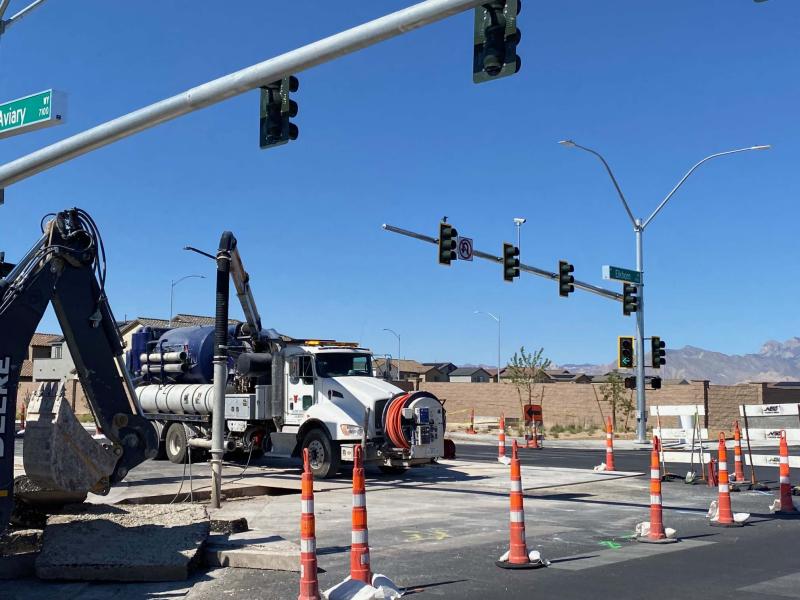
Hydroexcavation around high-voltage electrical lines requires careful planning because the work combines excavation hazards with the risks associated with energized electrical infrastructure. Hydrovac trucks are often used in these situations because they allow crews to expose buried lines with greater precision than traditional mechanical excavation. A hydrovac truck uses pressurized water to loosen soil and a vacuum system to remove the resulting slurry into a debris tank. This controlled process can reduce the chance of accidentally striking underground electrical conduits, direct-buried cables, grounding systems, and nearby utilities.
One of the main advantages of hydrovac excavation around high-voltage lines is reduced mechanical contact. Excavators, backhoes, and other digging equipment can damage electrical infrastructure quickly if a bucket or tooth contacts a buried line. Hydrovac methods allow crews to remove soil gradually and visually confirm the location and depth of the electrical system. This is especially important when utility maps are incomplete, markings are approximate, or several utilities share the same corridor. Hydrovac daylighting can provide the information needed before larger excavation, drilling, or foundation work begins.
Even though hydrovac excavation is generally considered a lower-impact method, electrical hazards still require strict controls. Water can conduct electricity under certain conditions, and the excavation environment may contain damaged insulation, unexpected energized components, or poorly documented infrastructure. Hydrovac crews should follow the utility owner’s requirements, applicable electrical safety procedures, and safe excavation practices. The work area should be properly marked, and operators should understand minimum approach distances, grounding concerns, and emergency procedures before excavation begins.
Water pressure is another important consideration. Excessive pressure can damage cable jackets, conduit, coatings, or protective coverings. A hydrovac operator should use controlled pressure and appropriate nozzle techniques when approaching known electrical lines. The goal is to remove soil without creating unnecessary force against the utility. As the line becomes exposed, the operator may reduce pressure and use a more careful sweeping motion. Hydrovac excavation is most effective when the operator matches pressure, distance, and water flow to the soil conditions and the sensitivity of the infrastructure.
Jobsite setup also matters. Hydrovac trucks may be working near overhead electrical lines as well as buried systems, so boom placement and truck positioning must be planned carefully. The hydrovac boom, hose, and other equipment should be kept clear of overhead conductors according to applicable safety requirements. Traffic control, barriers, spotters, and communication between crew members can also help reduce risk on busy construction or utility sites.
Another benefit of hydrovac excavation is improved visibility. Because the loosened soil is vacuumed directly into the truck’s debris tank, the excavation remains cleaner than many traditional digging methods. This makes it easier for crews to inspect exposed conduit, cable, grounding components, or other electrical infrastructure. A cleaner excavation can also help electricians, utility technicians, and inspectors complete follow-up work more efficiently.
Overall, hydrovac trucks are valuable tools for excavation around high-voltage electrical lines because they provide precision and reduce aggressive mechanical digging. However, hydrovac work near energized infrastructure still requires careful planning, trained operators, controlled water pressure, proper truck positioning, and strict adherence to electrical safety procedures. When used correctly, hydrovac excavation can help expose high-voltage systems safely while reducing damage risk and improving project control.
If you have an upcoming excavation project you'd like to discuss, contact the professional excavators here at Hole Hogz. We service Las Vegas, Henderson, Boulder City, and most parts of Clark County Nevada.