


Why Hydrovac Is the Preferred Choice for Utility Daylighting and Potholing
Traditional digging methods just don't compare.
Posted 07:50 March 09, 2026
Last Updated 07:50 March 09, 2026
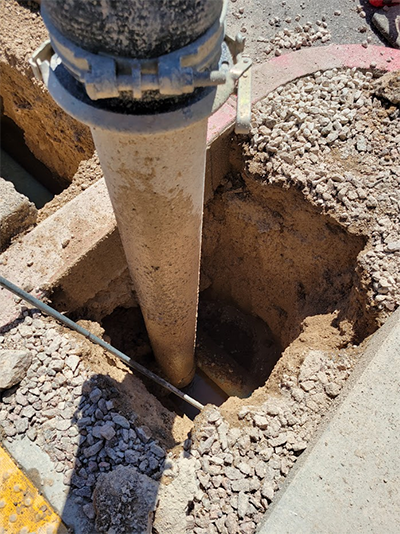
Hydrovac technology has become the industry standard for utility daylighting and potholing because it offers unmatched precision, safety, and efficiency compared to traditional excavation methods. At its core, hydrovac excavation uses a combination of high-pressure water and powerful vacuum suction to expose underground utilities without causing damage. This non-destructive approach is especially critical when working around buried infrastructure such as gas lines, electrical conduits, and communication cables, where even minor contact can lead to costly repairs, service disruptions, or serious safety hazards.
The process of hydrovac daylighting begins with directing a controlled stream of pressurized water into the soil. This water breaks up the ground into a slurry, allowing the hydrovac system to carefully uncover utilities without the risk of mechanical impact. Because the hydrovac wand can be adjusted for pressure and flow, operators can tailor the excavation to suit varying soil conditions, from loose sand to compact clay. Once the soil is loosened, a high-powered vacuum removes the slurry and transfers it into a debris tank, keeping the excavation site clean and contained. This precise method allows crews to expose exact utility locations with minimal disturbance to the surrounding area.
One of the main reasons hydrovac is preferred for potholing is its ability to deliver accurate, small-scale excavations. Potholing requires digging narrow, targeted holes to verify the position and depth of underground utilities before larger construction begins. Traditional digging methods often involve a margin of error that can result in accidental strikes or overly large excavation zones. In contrast, hydrovac enables operators to create clean, clearly defined holes that reveal utilities without unnecessary digging. This level of control not only improves safety but also reduces the need for backfill and site restoration, saving both time and money.
Safety is a major factor driving the widespread adoption of hydrovac for utility work. Mechanical excavation tools can easily damage underground lines, leading to dangerous situations such as gas leaks or electrical outages. Hydrovac significantly reduces these risks by eliminating direct contact between metal equipment and buried assets. Additionally, the controlled nature of hydrovac excavation means fewer workers are exposed to hazardous conditions, and the risk of cave-ins or unstable trenches is minimized. Many regulatory bodies and utility companies now recommend or require hydrovac methods for daylighting due to these safety advantages.
Efficiency is another key benefit that makes hydrovac the preferred choice. Although hydrovac equipment may have higher upfront costs, the speed and accuracy of the process often result in faster project completion times. Crews can quickly locate and verify utilities, reducing delays and avoiding unexpected complications during construction. The ability to perform hydrovac excavation from a distance, using extended hoses, also allows trucks to remain positioned away from congested or sensitive areas, minimizing traffic disruption and improving overall workflow.
In modern construction and infrastructure maintenance, hydrovac has proven to be an essential tool for utility daylighting and potholing. Its combination of precision, safety, and efficiency provides a clear advantage over traditional digging methods. As underground environments become more complex and the demand for non-destructive excavation continues to grow, hydrovac technology will remain the preferred solution for safely exposing and verifying critical utilities.
If you have an upcoming excavation project you'd like to discuss, contact the professional excavators here at Hole Hogz. We service Las Vegas, Henderson, Boulder City, and most parts of Clark County Nevada.