

The Impact of Hydrovac Excavation on Project Timelines
Hydrovac trucks get it done faster.
Posted 04:00 April 17, 2026
Last Updated 04:00 April 17, 2026
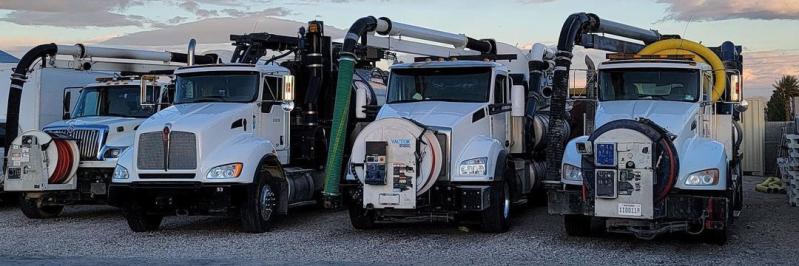
Hydrovac excavation has had a major impact on project timelines because it changes how crews expose, remove, and manage soil around buried utilities and sensitive infrastructure. Traditional mechanical excavation often requires slower digging near gas lines, water mains, fiber optic cables, electrical conduits, sewer lines, and other underground assets because one wrong move with a bucket or backhoe can damage the utility and shut down the entire job. A hydrovac truck reduces that risk by using pressurized water to break up soil and a powerful vacuum system to remove the slurry into a debris tank. This allows crews to dig with far more precision, which can help projects move forward with fewer delays, fewer emergency repairs, and less downtime.
One of the biggest timeline advantages of hydrovac excavation is faster utility daylighting. Before many construction, repair, or installation projects can begin, crews need to confirm the exact location and depth of existing utilities. With traditional methods, this process can be slow and risky, especially in congested urban areas or older sites where utility maps may be incomplete or inaccurate. A hydrovac truck can quickly and carefully expose buried lines so project managers can verify conditions before committing equipment and labor to the next phase. This early confirmation can prevent costly schedule disruptions later in the project.
Hydrovac excavation also helps improve timelines by reducing the chance of accidental utility strikes. A single damaged gas line, electrical cable, or communication line can stop work for hours or even days. It can also require inspections, emergency crews, repair coordination, safety reviews, and customer notifications. By using hydrovac methods, contractors can lower the likelihood of these incidents and keep work moving. Even when hydrovac excavation takes slightly longer than aggressive mechanical digging in certain soil conditions, the time saved by avoiding damage, shutdowns, and rework often makes the overall project faster and more predictable.
Another way hydrovac trucks improve project timelines is through better site cleanliness and material control. Because the excavated soil and water mixture is vacuumed directly into the truck’s debris tank, the work area stays more organized. Crews do not always need large spoil piles beside the excavation, and less time is spent moving material around the site. This can be especially useful on roadways, parking lots, industrial sites, and tight urban spaces where space is limited and traffic control is a major concern. A cleaner site can also help other trades access the work area more easily, which supports smoother sequencing between phases of the job.
Hydrovac excavation can also support work in difficult weather or challenging ground conditions. In colder climates, heated water systems on some hydrovac trucks can cut through frozen ground more effectively than manual digging. In areas with compacted soil, clay, or limited access, hydrovac equipment can often reach places where larger excavation equipment would be difficult to position. This flexibility helps contractors stay on schedule when jobsite conditions are less than ideal.
Overall, hydrovac excavation can make project timelines more reliable by combining speed, precision, and reduced risk. The greatest value of hydrovac trucks is not just that they can dig efficiently, but that they help prevent the kinds of problems that cause major delays. By reducing utility strikes, limiting cleanup, improving verification, and supporting safer excavation around buried infrastructure, hydrovac methods can help contractors complete projects with fewer interruptions and better control over the schedule.
If you have an upcoming excavation project you'd like to discuss, contact the professional excavators here at Hole Hogz. We service Las Vegas, Henderson, Boulder City, and most parts of Clark County Nevada.