


Innovations in Heated Water Systems for Frozen Ground
Not common in Las Vegas, but it can happen.
Posted 04:06 April 24, 2026
Last Updated 04:06 April 24, 2026
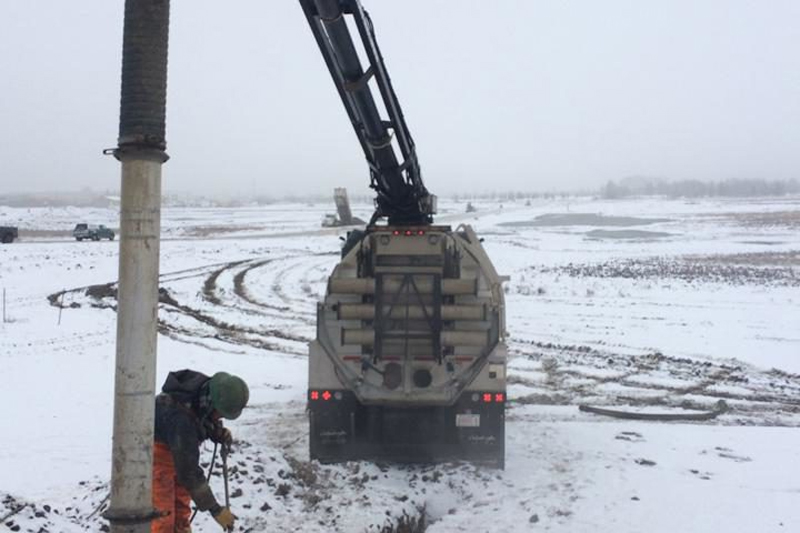
Innovations in heated water systems have made hydrovac trucks much more effective for excavation in frozen ground, especially in regions where winter conditions can slow or completely stop traditional digging. Frozen soil is difficult to break apart with standard excavation methods, and using mechanical equipment around buried utilities can increase the risk of damage. A hydrovac truck solves much of this problem by combining pressurized water, heat, and vacuum power. The heated water softens and cuts through frozen material, while the vacuum system removes the loosened soil and slurry from the excavation area. This makes hydrovac excavation a practical option for year-round utility work, emergency repairs, construction projects, and infrastructure maintenance.
One of the most important innovations in hydrovac heated water systems is improved boiler and burner efficiency. Modern hydrovac trucks can heat water more quickly and maintain consistent temperatures during long excavation jobs. This is important because frozen ground requires a steady supply of hot water to keep production moving. Older systems could struggle to maintain heat in extremely cold conditions, causing crews to pause work or reduce digging speed. Newer hydrovac systems are designed to deliver more reliable water temperature, allowing operators to cut through frost layers, compacted soil, and ice with fewer interruptions.
Another major improvement is better temperature control. Modern hydrovac trucks often allow operators to adjust heated water output based on soil conditions, job requirements, and safety concerns. This helps crews use enough heat to penetrate frozen ground without wasting fuel or applying unnecessary pressure near sensitive utilities. Better controls also allow a hydrovac operator to work more carefully around plastic pipe, fiber optic lines, electrical conduit, and other underground assets. This combination of heat control and water pressure control makes hydrovac excavation safer and more precise during winter work.
Heated water recirculation and insulation improvements have also strengthened hydrovac performance. In freezing weather, water lines, tanks, pumps, and hoses can become vulnerable to ice buildup. Newer hydrovac truck designs often include insulated water tanks, protected hose routing, heated compartments, and systems that keep water moving to prevent freezing. These upgrades reduce downtime and help crews avoid equipment failures in harsh conditions. When a hydrovac truck can stay operational throughout the day, contractors can better protect their schedule and complete frozen ground excavation with fewer delays.
Fuel efficiency has become another focus of innovation. Heated water systems require energy, and winter hydrovac work can consume significant fuel if the equipment is not designed efficiently. Modern hydrovac trucks may use improved burners, smarter heating cycles, and better heat retention to reduce wasted energy. This can lower operating costs while also keeping excavation productive. For contractors, this means hydrovac excavation becomes more practical for longer jobs, remote sites, and repeated winter service calls.
Overall, innovations in heated water systems have expanded what hydrovac trucks can do in cold weather. Instead of waiting for ground to thaw or relying on slower, riskier mechanical digging, crews can use hydrovac technology to expose utilities, repair lines, install infrastructure, and complete excavation tasks in frozen conditions. With stronger heating systems, better controls, improved freeze protection, and greater efficiency, hydrovac trucks have become an important tool for keeping projects moving through winter.
If you have an upcoming excavation project you'd like to discuss, contact the professional excavators here at Hole Hogz. We service Las Vegas, Henderson, Boulder City, and most parts of Clark County Nevada.