


Noise Reduction Strategies for Hydrovac Units
Modern communities demand noise reduction.
Posted 03:50 April 10, 2026
Last Updated 03:50 April 10, 2026
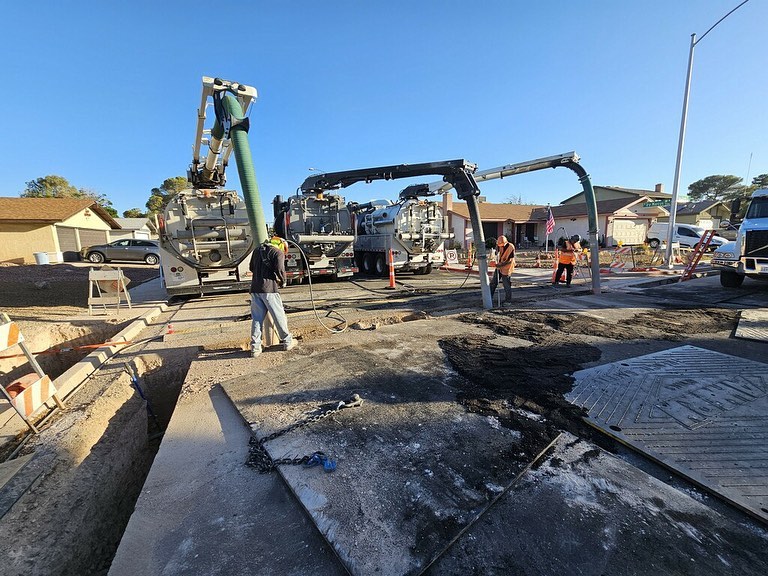
Noise reduction has become an increasingly important consideration for hydrovac trucks, especially when operating in urban, residential, or noise-sensitive areas. Hydrovac trucks generate significant noise from multiple sources, primarily the vacuum blower, high-pressure water pump, engine, and boiler system. Effective noise reduction strategies help hydrovac contractors comply with local ordinances, reduce community complaints, and improve operator comfort.
The vacuum blower is typically the loudest component on a hydrovac truck, often producing 85–100 decibels at full operation. To address this, many manufacturers now equip hydrovac trucks with advanced muffler systems and silencers specifically designed for high-airflow centrifugal blowers. These multi-chamber mufflers can reduce blower noise by 8–15 dB. Some hydrovac companies install additional acoustic insulation around the blower housing and use vibration-dampening mounts to minimize noise transmission through the truck chassis.
The water pump and boiler also contribute substantial noise. Modern hydrovac trucks use variable-frequency drives (VFDs) that allow operators to run the pump at lower RPMs when maximum pressure is not required, significantly cutting noise output. Upgrading to quieter, high-efficiency pumps and installing inline silencers on the water system further helps. For the boiler, which is essential in cold climates or for breaking through frozen ground, manufacturers have introduced better combustion chambers and exhaust silencers that reduce the characteristic roaring sound.
Engine noise can be controlled through upgraded exhaust systems, including larger mufflers and resonators. Many hydrovac operators choose trucks with modern, quieter diesel engines that meet stricter EPA emissions standards, which often correlate with reduced mechanical noise. Enclosing the engine compartment with heavier sound-dampening materials and using acoustic hood liners provides additional reduction.
Operational strategies also play a major role in noise management. Experienced hydrovac operators learn to use lower pressure and flow settings when full power is unnecessary, which reduces both pump and blower noise. Proper wand technique that avoids unnecessary “stabbing” motions can prevent excessive vacuum pull and the associated high-pitched whine. Scheduling noisier tasks, such as heavy vacuuming or boiler operation, during daytime hours in residential zones helps avoid violations of local noise ordinances that often restrict operations between 7 PM and 7 AM.
Site-level noise mitigation includes positioning the hydrovac truck to direct exhaust and blower noise away from sensitive receptors like homes or offices. Using temporary acoustic barriers or sound blankets around the truck can provide an extra 5–10 dB reduction when working in particularly sensitive locations. Some hydrovac companies invest in “quiet packages” from manufacturers, which include comprehensive sound attenuation upgrades at the factory level.
Regular maintenance is essential for keeping noise levels low. Worn bearings, loose belts, or damaged mufflers can dramatically increase noise output. Implementing a strict preventive maintenance schedule ensures that hydrovac trucks operate at their designed noise levels rather than becoming progressively louder over time.
As urban development continues and noise regulations tighten, investing in noise reduction for hydrovac trucks is no longer optional but a competitive necessity. Contractors who prioritize quiet operation often secure more work in residential and downtown areas, maintain better community relations, and face fewer operational restrictions. The combination of advanced engineering solutions and smart operational practices allows hydrovac trucks to deliver powerful performance while operating at more acceptable noise levels.
If you have an upcoming excavation project you'd like to discuss, contact the professional excavators here at Hole Hogz. We service Las Vegas, Henderson, Boulder City, and most parts of Clark County Nevada.