


Training and Certification for Hydrovac Operators
Safety is priority number one.
Posted 06:56 December 01, 2025
Last Updated 06:56 December 01, 2025
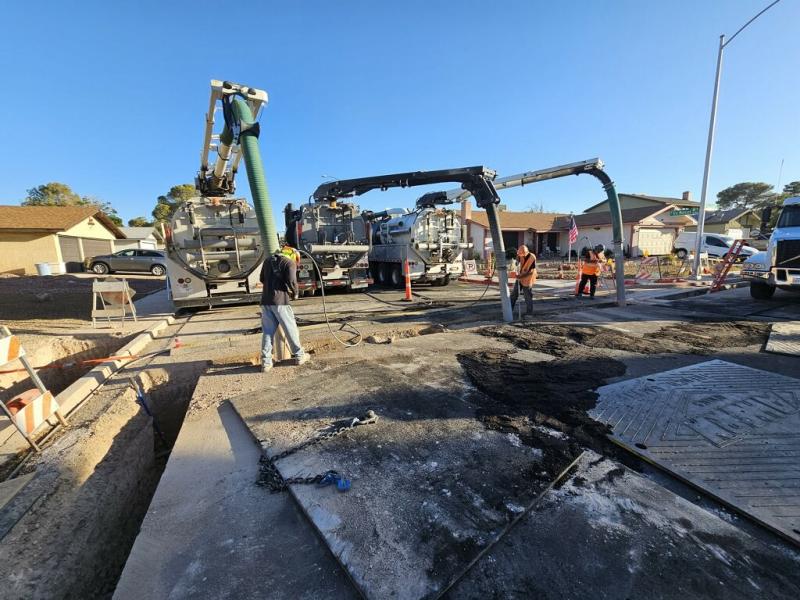
Training and certification for hydrovac operators have become essential as the technology has grown from a niche service to a standard practice across construction, utilities, and municipal sectors. Operating hydrovac trucks requires mastery of high-pressure water systems, powerful vacuum equipment, confined-space protocols, and precise excavation techniques around critical underground infrastructure. A well-trained hydrovac operator not only maximizes productivity but dramatically reduces the risk of utility strikes, equipment damage, and workplace injuries that can cost hundreds of thousands of dollars per incident.
Most reputable hydrovac companies begin with comprehensive in-house training that combines classroom instruction and extensive field mentoring. New operators typically spend 40–80 hours learning system components—understanding pump curves, boiler operation, vacuum blower limits, and debris tank management—before ever touching controls. Safety training covers PPE requirements, lockout-tagout procedures, traffic control in work zones, and emergency response for high-pressure water injuries or vacuum implosions. Because hydrovac trucks often work within 18 inches of marked utilities, operators receive detailed instruction on interpreting 811 locate tickets, using ground-penetrating radar, and performing hand-exposure verification when required.
Field training places new operators under experienced mentors for 200–500 hours, depending on complexity. During this phase, trainees learn pressure and flow adjustments for different soil types, proper wand technique to maintain clean excavation walls, and safe hose management to prevent kinks or bursts. They practice daylighting procedures, remote digging with extended hoses, and emergency shutdown sequences. Many companies require demonstrated proficiency in creating 8–12 inch potholes around live utilities before allowing solo operation of hydrovac trucks.
Industry certifications have emerged to standardize competence. The National Association of Sewer Service Companies (NASSCO) offers a Pipeline Assessment Certification Program that includes hydrovac-specific modules, while the Damage Prevention Institute provides training focused on safe digging practices. Some manufacturers, such as Vactor and Vermeer, partner with training organizations to deliver factory-certified courses covering their specific hydrovac models. OSHA 10- or 30-hour construction safety certification is typically mandatory, supplemented by confined-space entry, first aid/CPR, and competent-person training for excavation safety.
Advanced certifications address specialized applications. Operators working in oil and gas environments often complete H2S awareness, PEC SafeLand, and API safe work practices. Those performing municipal sewer cleaning may earn CETCO or NJUNS certification for jetting and vacuum operations. Many states now require commercial driver’s license endorsements for hydrovac trucks over 26,000 pounds GVWR, along with tanker and air-brake qualifications.
Continuing education has become standard practice. Experienced operators attend annual refreshers on new nozzle designs, water recycling systems, and updated damage-prevention regulations. Companies track training hours to maintain insurance compliance and qualify for lower premiums, while some municipalities and utilities require proof of certification before allowing hydrovac contractors on their rights-of-way.
The investment in proper training and certification pays substantial dividends. Companies with rigorous hydrovac operator programs report utility strike rates below 0.1%, compared to industry averages exceeding 1%. Well-trained operators complete potholing 30–50% faster, reduce water consumption through efficient technique, and extend equipment life by avoiding common misuse errors. As hydrovac adoption continues growing—with the global market projected to reach $1.5 billion by 2025—comprehensive training and certification remain the cornerstone of safe, efficient, and professional hydrovac operations.
If you have an upcoming excavation project you'd like to discuss, contact the professional excavators here at Hole Hogz. We service Las Vegas, Henderson, Boulder City, and most parts of Clark County Nevada.