


Comparing Single-Fan and Dual-Fan Vacuum Systems
There are stark differences.
Posted 03:07 February 20, 2026
Last Updated 03:07 February 20, 2026
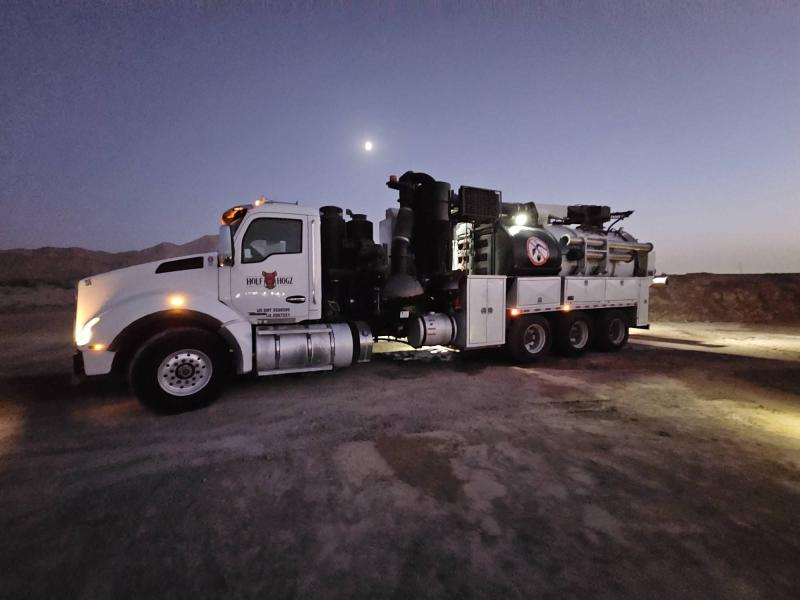
Comparing single-fan and dual-fan vacuum systems in hydrovac trucks involves weighing performance, cost, and application suitability for non-destructive excavation. Hydrovac trucks rely on vacuum systems to pull slurry—soil loosened by high-pressure water—into the debris tank, and the fan (centrifugal) type is common for generating airflow and suction.
A single-fan system uses one centrifugal fan to create vacuum, typically delivering high airflow (often 3,000–6,000 CFM) but moderate vacuum pressure (around 14–18 inches Hg). In hydrovac operations, this setup excels at moving lighter, drier materials or slurry over shorter distances (up to 50–80 feet) and in varied soil types. The high airflow allows faster material pickup in loose sand or gravel, common in many hydrovac jobs like potholing or daylighting utilities. Single-fan hydrovac trucks are generally lighter, simpler to maintain, quieter, and less expensive to purchase and operate. They require less horsepower from the truck engine, reducing fuel consumption and overall ownership costs. For standard municipal or construction work with typical hose lengths and moderate depths, a single-fan hydrovac truck provides efficient, reliable performance without excess capacity.
A dual-fan system, by contrast, employs two centrifugal fans working in series or parallel, boosting overall vacuum capability and airflow. Dual-fan hydrovac trucks often achieve higher sustained suction and better performance at longer hose distances (100+ feet) or greater depths, where single-fan units lose efficiency due to friction losses in the hose. The added fan increases lift capacity for heavier, wetter slurry or when digging in dense soils that produce thicker material. In demanding hydrovac applications—such as deep excavations, remote digging around pipelines, or handling saturated clay—dual-fan systems maintain stronger pull even as the debris tank fills or hose length increases. This results in faster excavation rates and fewer stops to clear lines or adjust positioning.
However, dual-fan hydrovac trucks come with trade-offs. They are heavier, requiring a larger chassis and more powerful engine, which raises initial purchase price, fuel use, and maintenance complexity. The extra fan adds points of potential failure, higher repair costs, and increased noise levels. Power draw is greater, sometimes limiting other hydrovac functions like water pump output when engine RPM is constrained. For most everyday hydrovac work, the added capability of dual fans exceeds practical needs, making single-fan systems more economical and sufficient.
Ultimately, the choice depends on job demands. Single-fan hydrovac trucks suit the majority of utility locating, municipal maintenance, and general construction tasks where hose runs stay moderate and soils are not excessively heavy. Dual-fan hydrovac trucks shine in specialized, high-challenge environments requiring maximum reach, depth, or material-handling power. Many hydrovac operators start with single-fan units for versatility and cost control, upgrading to dual-fan only when data shows frequent performance limitations. Both deliver the core benefits of hydrovac excavation—safety and precision—but selecting the right vacuum configuration optimizes efficiency, reduces operating expenses, and matches real-world project requirements effectively.
If you have an upcoming excavation project you'd like to discuss, contact the professional excavators here at Hole Hogz. We service Las Vegas, Henderson, Boulder City, and most parts of Clark County Nevada.