


The Future of Automation in Hydroexcavation
Automation and AI is coming.
Posted 03:14 February 23, 2026
Last Updated 03:14 February 23, 2026
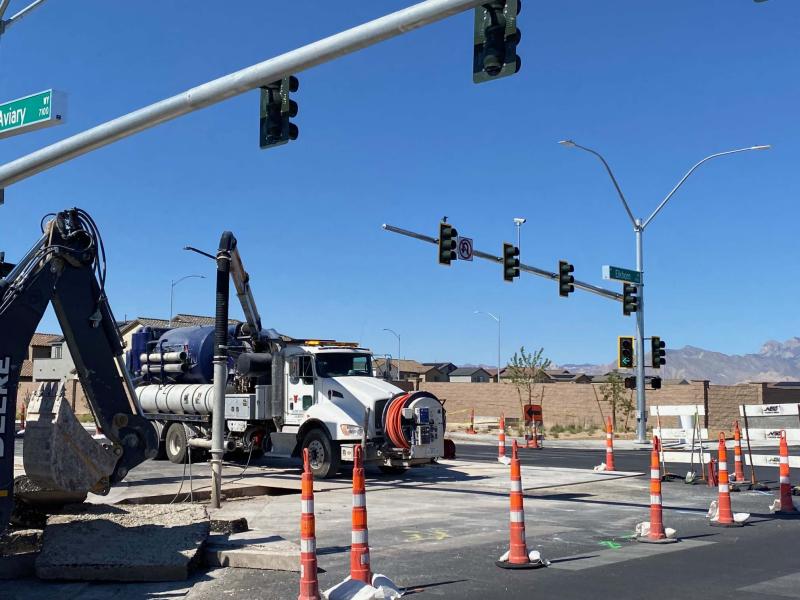
The future of automation in hydroexcavation will transform hydrovac trucks from operator-dependent machines into highly intelligent, semi-autonomous or fully autonomous systems that improve safety, consistency, and efficiency.
Current hydrovac trucks already incorporate basic automation: remote-control booms, pressure/flow auto-adjustment based on soil feedback, and simple obstacle detection via ultrasonic or laser sensors. The next decade will see rapid advancement toward full autonomy. Machine learning algorithms will analyze real-time data from cameras, LiDAR, ground-penetrating radar, and soil moisture sensors to automatically select optimal water pressure, flow rate, wand angle, and sweep pattern for any soil type—eliminating guesswork and reducing over-excavation or under-performance.
Autonomous hydrovac trucks will follow pre-programmed dig plans generated from utility maps, 3D site models, and locate data. The truck positions itself, extends the boom, and excavates precise potholes or trenches while continuously monitoring for live utilities via electromagnetic induction and radar. If an anomaly is detected, the system pauses, alerts the operator (or remote supervisor), and waits for authorization before proceeding. This level of automation drastically reduces human exposure to high-pressure water hazards, traffic zones, and trench-collapse risks.
Swarm coordination is another emerging possibility. Multiple hydrovac trucks could work together under centralized AI control—one exposing utilities, another flushing lines, a third removing slurry—coordinating movements to minimize idle time and maximize throughput on large infrastructure projects. Fleet telematics will evolve into predictive dispatch, automatically sending the nearest appropriately equipped hydrovac truck to new jobs based on real-time utilization, maintenance status, and traffic data.
Water and waste management will become fully automated. On-board AI will optimize recycling loops, adjusting polymer dosing, centrifuge speed, and filter backwash cycles to maximize water recovery and minimize disposal volume. Some future hydrovac trucks may include onboard treatment for certain contaminants, allowing cleaner discharge or immediate beneficial reuse of processed water.
Regulatory and safety frameworks will evolve alongside the technology. Autonomous hydrovac operations will require new standards for fail-safe systems, cybersecurity (to prevent hacking of critical infrastructure-adjacent equipment), and remote supervision protocols. Insurance models will shift as data proves dramatically lower incident rates with automation. Human operators will transition from hands-on digging to supervisory roles—monitoring multiple hydrovac units remotely, intervening only for exceptions, and focusing on complex decision-making. Training will emphasize robotics oversight, data interpretation, and system troubleshooting rather than wand technique.
Cost dynamics will favor automation over time. While initial investment in autonomous hydrovac trucks will be high, reduced labor requirements, near-zero utility strike risk, faster job completion, lower water/disposal costs, and extended equipment life through optimized operation will drive strong ROI. Small hydrovac contractors may access the technology via leasing or shared autonomous fleets managed by specialized providers.
By the early 2030s, automation is expected to handle 60–80% of routine hydrovac tasks (potholing, daylighting, slot trenching) with minimal human input, while still requiring skilled oversight for high-risk or complex sites. The hydrovac industry will become safer, greener, and more productive, with automation shifting the competitive advantage from labor skill to technology integration and data mastery.
If you have an upcoming excavation project you'd like to discuss, contact the professional excavators here at Hole Hogz. We service Las Vegas, Henderson, Boulder City, and most parts of Clark County Nevada.