


The Economics of Hydrovac vs. Mechanical Excavation
Hydrovac trucks are the future.
Posted 06:37 November 14, 2025
Last Updated 06:37 November 14, 2025
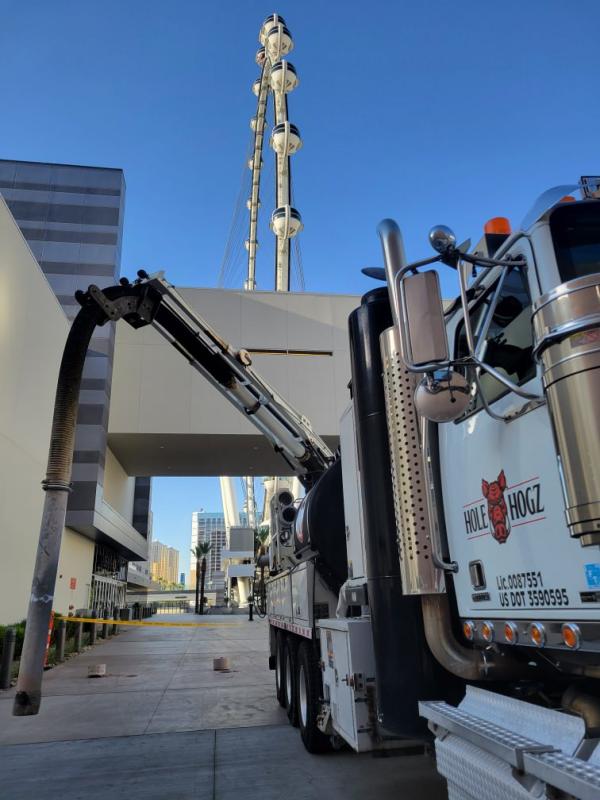
The economics of hydrovac excavation versus traditional mechanical methods reveal that, while hydrovac trucks carry higher hourly rates, they frequently deliver superior overall project savings through reduced risk, faster completion, and lower collateral costs. Hydrovac trucks typically bill between $150 and $350 per hour depending on truck size and region, compared to $80–$150 per hour for a mini-excavator or backhoe with operator. At first glance, mechanical excavation appears cheaper, yet the true cost equation changes dramatically when factoring in utility strikes, restoration, permitting delays, and labor efficiency—areas where hydrovac consistently outperforms mechanical methods.
Utility damage represents the single largest hidden expense in mechanical excavation. A single line strike—gas, fiber, water, or sewer—averages $50,000–$500,000 in direct repair costs, fines, and third-party claims, with nationwide damages exceeding $30 billion annually. Hydrovac trucks virtually eliminate this risk by using pressurized water and vacuum suction instead of steel buckets or blades, reducing strike probability to near zero when proper locating precedes digging. In high-density urban corridors or aging infrastructure zones, the insurance savings and avoided downtime alone often justify the higher hourly rate of hydrovac services within the first few hours of operation.
Restoration and backfill costs further tilt economics toward hydrovac. Mechanical excavation typically removes 3–5 times more material than needed because operators dig wide safety buffers around marked utilities. This excess spoil requires hauling, disposal fees, and imported backfill, often adding $5,000–$25,000 per city block. Hydrovac trucks create narrow, precise holes—sometimes only 8–12 inches wide—leaving surrounding soil undisturbed and reducing backfill volume by 70–90%. In municipalities with strict street-cut moratoriums or high restoration standards, hydrovac frequently avoids expensive paving repairs and traffic control entirely.
Labor efficiency provides another clear advantage. A two-person hydrovac crew can complete potholing or daylighting tasks that require a three-to-five-person mechanical crew plus hand-digging support to meet “18-inch tolerance” rules. When overhead, workers’ compensation, and productivity are calculated, hydrovac labor costs per exposed utility often fall below mechanical methods despite higher equipment rates. Projects requiring multiple test holes before horizontal directional drilling routinely finish 40–60% faster with hydrovac, compressing schedules and reducing equipment standby charges.
Permitting and traffic control represent growing cost drivers that favor hydrovac. Many cities now impose lane rental fees of $500–$5,000 per hour for mechanical excavation in major thoroughfares, while hydrovac trucks, with smaller footprints and quicker setups, often qualify for reduced or expedited permits. Night work premiums, common with mechanical methods to avoid peak traffic, largely disappear when hydrovac completes the same scope in a single shift.
Long-term data from contractors and utilities consistently show hydrovac payback thresholds as low as one avoided strike or one restored street cut. For projects valued above $100,000 or involving more than a few utility crossings, hydrovac trucks routinely deliver 15–40% total cost savings despite higher hourly rates. As infrastructure ages, regulations tighten, and restoration standards rise, the economic case for hydrovac excavation continues to strengthen, transforming what once appeared as a premium service into the clear lower-cost option across most modern construction environments.
If you have an upcoming excavation project you'd like to discuss, contact the professional excavators here at Hole Hogz. We service Las Vegas, Henderson, Boulder City, and most parts of Clark County Nevada.