


Material Separation and Recycling in Hydroexcavation
It's a part of the environmental process.
Posted 02:59 May 29, 2026
Last Updated 02:59 May 29, 2026
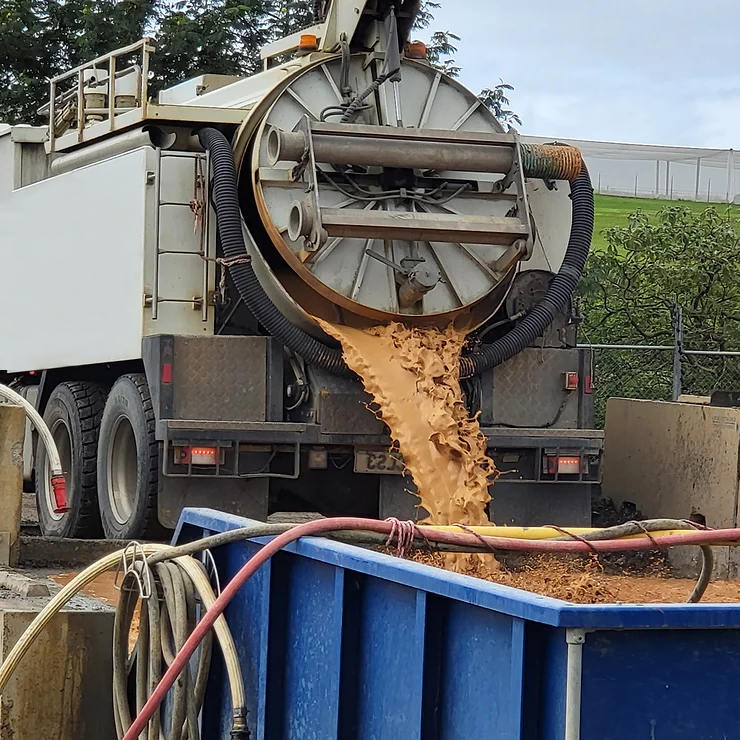
Material separation and recycling are becoming more important in hydroexcavation because contractors, municipalities, and industrial clients are looking for cleaner, more efficient ways to manage excavated material. A hydrovac truck removes soil by using pressurized water to loosen the ground and a vacuum system to collect the resulting slurry. This slurry is usually made up of soil, water, gravel, sand, clay, and sometimes debris from the work area. In the past, much of this material was treated mainly as waste and hauled to a disposal site. Today, many hydrovac operations are placing more attention on separating, processing, and recycling the material whenever possible.
One of the main challenges in hydrovac material handling is that the excavated material is mixed with water. This makes it different from dry spoil created by mechanical excavation. A hydrovac truck stores the slurry in its debris tank until it can be dumped or processed. If the material is clean and non-contaminated, it may be possible to separate the water from the solids and reuse part of the material. Separation systems can help divide heavier solids, such as gravel and sand, from finer soil and water. Once separated, some materials may be suitable for backfill, site restoration, construction use, or approved recycling applications, depending on local rules and project requirements.
Water management is a major part of hydrovac recycling. Because hydroexcavation uses water as the cutting tool, reducing water waste can improve efficiency and lower operating costs. Some hydrovac operations use decanting, settling pits, filter systems, or specialized processing facilities to separate water from the slurry. In certain cases, treated water may be reused for additional hydrovac work, dust control, or other approved jobsite purposes. Reusing water can reduce the number of refill trips, lower disposal volume, and help hydrovac trucks stay productive on large or remote projects.
Material separation can also reduce disposal costs. Disposal fees often depend on the type, volume, and condition of the material being hauled away. If clean hydrovac slurry can be separated into reusable solids and water, the total amount sent to a landfill or disposal facility may be reduced. This can be especially valuable on large utility projects, industrial sites, municipal maintenance work, and long-term construction projects where hydrovac trucks are producing multiple loads of slurry each day. Less waste can mean fewer truck trips, lower dumping fees, reduced fuel use, and better project efficiency.
Contamination control is another important consideration. Not all hydrovac material can be recycled. Slurry from industrial sites, fuel stations, sewer work, chemical facilities, or unknown soil conditions may require testing before it can be reused or disposed of. If the hydrovac material contains hydrocarbons, heavy metals, sewage, chemicals, or other contaminants, it must be handled according to environmental regulations. Proper documentation, soil testing, disposal tracking, and separation of clean and contaminated loads are essential for protecting the contractor and the customer.
Overall, material separation and recycling in hydroexcavation can make hydrovac work more sustainable, cost-effective, and organized. By separating solids from water, reducing disposal volumes, reusing clean material, and managing contaminated slurry correctly, hydrovac companies can improve both environmental performance and jobsite efficiency. As processing technology improves, hydrovac trucks will continue to play an important role in excavation methods that are cleaner, safer, and better suited for modern construction and utility work.
If you have an upcoming excavation project you'd like to discuss, contact the professional excavators here at Hole Hogz. We service Las Vegas, Henderson, Boulder City, and most parts of Clark County Nevada.