


Hydrovac Excavation in Utility Line Exposure
It's far safer than traditional excavation methods.
Posted 07:33 June 27, 2026
Last Updated 07:33 June 27, 2026
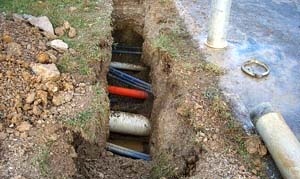 Hydrovac excavation is one of the most effective methods for utility line exposure because it allows crews to uncover buried infrastructure with precision, control, and reduced risk. Utility lines are often located under roads, sidewalks, parking lots, commercial properties, industrial sites, and residential areas, where several services may be buried close together. Gas lines, water mains, electrical conduits, sewer laterals, storm drains, fiber optic cables, and communication lines can all exist in the same corridor. A hydrovac truck uses pressurized water to loosen soil and a powerful vacuum system to remove the material into a debris tank. This process allows hydrovac crews to expose utilities without using aggressive mechanical digging directly against the line.
One of the main benefits of hydrovac excavation in utility line exposure is damage prevention. Traditional digging equipment can easily strike, scrape, crack, or break underground utilities, especially when maps are outdated or markings are not precise. Even hand digging can be slow and difficult in compacted soil or deep excavations. Hydrovac excavation gives operators a safer way to remove soil around the suspected utility location while maintaining better control over the excavation area. By reducing the chance of utility strikes, hydrovac trucks help prevent service interruptions, emergency repairs, safety hazards, and costly project delays.
Hydrovac is also valuable for utility daylighting, which is the process of exposing a buried utility so its exact location and depth can be confirmed. Daylighting is often done before trenching, directional drilling, pole installation, pipeline repair, roadwork, or major construction. The hydrovac truck can create small, targeted holes that allow crews to verify what is underground before heavier equipment begins work. This helps project managers make better decisions, avoid conflicts, and adjust plans before a mistake becomes expensive. In crowded utility corridors, hydrovac daylighting can be the difference between a smooth project and a major disruption.
Another advantage of hydrovac excavation is that it limits surface disturbance. Because the hydrovac process can focus on a smaller excavation area, crews do not always need to open a large trench just to identify or inspect a line. This is useful in landscaped areas, paved surfaces, sidewalks, road shoulders, and tight urban locations where restoration costs can be high. The slurry created during excavation is vacuumed directly into the hydrovac truck’s debris tank, which keeps the jobsite cleaner and reduces spoil piles around the work area.
Hydrovac trucks also support safer working conditions. Utility line exposure often takes place near traffic, pedestrians, energized systems, gas infrastructure, or unstable soil. A controlled hydrovac excavation can reduce the need for workers to dig directly with shovels in hazardous areas. It can also help keep the excavation cleaner and easier to inspect. When combined with proper locating, permits, traffic control, and jobsite safety procedures, hydrovac excavation becomes a practical part of utility risk management.
Overall, hydrovac excavation is a preferred method for utility line exposure because it combines accuracy, safety, and efficiency. Hydrovac trucks help crews confirm underground conditions, protect existing infrastructure, reduce downtime, and keep projects moving. Whether the job involves new construction, emergency repair, utility mapping, or routine maintenance, hydrovac methods give contractors a reliable way to expose buried lines while minimizing damage and disruption.
If you have an upcoming excavation project you'd like to discuss, contact the professional excavators here at Hole Hogz. We service Las Vegas, Henderson, Boulder City, and most parts of Clark County Nevada.