


The Science Behind Vacuum and Airflow Efficiency
It's very advanced technology.
Posted 07:25 June 12, 2026
Last Updated 07:25 June 12, 2026
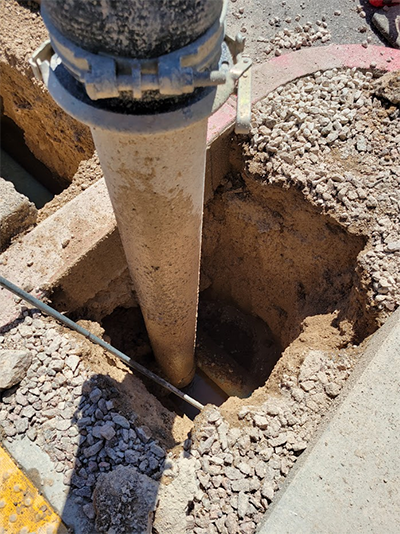 The science behind vacuum and airflow efficiency is central to how hydrovac trucks perform in the field. A hydrovac truck does more than simply suck material into a tank; it uses a carefully balanced system of airflow, vacuum pressure, hose diameter, water pressure, debris tank design, and filtration to move loosened soil, water, and slurry from the excavation point into the truck. In hydrovac excavation, pressurized water breaks up the soil, but the vacuum system is what removes the material quickly and keeps the excavation area clean. When airflow and vacuum efficiency are optimized, the hydrovac truck can work faster, use less energy, reduce downtime, and improve overall jobsite productivity.
Vacuum performance in a hydrovac truck depends on the relationship between air movement and pressure difference. The vacuum system creates a lower-pressure area inside the debris tank and hose, causing outside air to rush toward that lower-pressure space. As air moves through the hose, it carries loosened soil, water, gravel, and slurry with it. The stronger and more consistent the airflow, the better the hydrovac truck can transport material. However, suction alone is not enough. A hydrovac system needs the right balance of airflow volume and vacuum lift. Airflow volume helps move material quickly over distance, while vacuum lift helps pull heavier slurry and debris into the hose.
Hose size and hose length have a major effect on hydrovac efficiency. A larger hose can move more air and material, but it may require more power to maintain strong suction. A smaller hose may be easier to handle, but it can restrict airflow and slow production. Longer hose runs also create friction losses, meaning the hydrovac truck must work harder to move the same amount of material. Every bend, restriction, or clog in the hose reduces efficiency. This is why hydrovac operators try to position the truck as close to the work area as safely possible and keep hose runs as straight and clear as conditions allow.
The type of vacuum system also matters. Hydrovac trucks commonly use fan systems or positive displacement blowers. Fan systems can move large volumes of air and are often effective for shallower work where high production is needed. Positive displacement blowers can maintain stronger vacuum over longer distances and deeper excavations, making them useful for certain demanding hydrovac applications. The best system depends on the type of work, depth, material, hose distance, and operating environment.
Filtration and debris separation are also important parts of airflow efficiency. As slurry enters the debris tank, the hydrovac system must separate solids and liquids from the airflow before the air reaches the blower or fan. If filters become clogged or the debris tank is poorly managed, airflow drops and the truck loses performance. Proper maintenance, clean filters, sealed connections, and regular inspection of hoses and valves all help keep the hydrovac system operating efficiently.
Overall, hydrovac performance depends on a combination of physics and practical jobsite management. Efficient vacuum and airflow allow a hydrovac truck to remove material faster, maintain cleaner excavations, reduce equipment strain, and improve productivity. By understanding how pressure, airflow, hose design, filtration, and system type work together, hydrovac operators can make better decisions in the field and get stronger results from their trucks.
If you have an upcoming excavation project you'd like to discuss, contact the professional excavators here at Hole Hogz. We service Las Vegas, Henderson, Boulder City, and most parts of Clark County Nevada.