


Managing Jobsite Mud and Spoil Removal
Hydrovac trucks get it done.
Posted 03:50 April 03, 2026
Last Updated 03:50 April 03, 2026
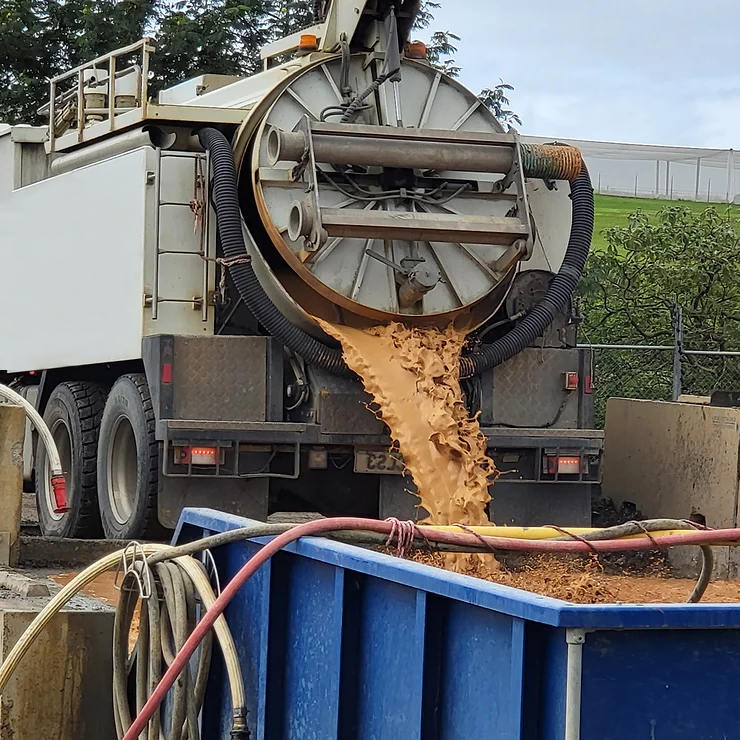
Hydrovac trucks have become highly effective tools for managing jobsite mud and spoil removal, offering a clean, efficient, and contained solution compared to traditional excavation methods. When hydrovac trucks excavate using high-pressure water, they convert soil into a slurry mixture of mud and water that must be promptly and properly managed to maintain site safety, productivity, and environmental compliance.
The primary advantage of using hydrovac trucks for spoil removal lies in their powerful vacuum system, which immediately sucks the liquefied mud and spoil into a large onboard debris tank, typically ranging from 1,000 to 3,500 gallons in capacity. This closed-loop process prevents loose mud from spreading across the jobsite, reducing slippery hazards, equipment bog-down, and the need for constant manual cleanup. In urban or congested areas, where space is limited, hydrovac trucks keep the work zone tidy by containing all excavated material inside the truck rather than creating large spoil piles that require secondary handling.
Effective management begins with proper planning. Before starting hydroexcavation, operators assess soil type and moisture content to determine the expected slurry consistency. In wet or clay-heavy soils, the slurry can become very thick, requiring hydrovac trucks with strong vacuum blowers (5,000–6,000 CFM) and sometimes polymer additives to improve flow and separation. For sandy soils, the slurry tends to be thinner and easier to handle but settles quickly, demanding timely offloading to avoid tank overload.
On-site dewatering is a key strategy for efficient spoil management. Many modern hydrovac trucks are equipped with shaker decks, cyclone separators, or filter presses that separate solids from liquids while still on location. This allows cleaner water to be recycled back into the hydrovac truck’s water tank for continued excavation, significantly reducing freshwater consumption and disposal volume. The dewatered solids, now much lighter and drier, can then be hauled away more cost-effectively or, in some cases, reused as engineered fill on the same site.
Transportation and disposal of the collected mud and spoil must follow strict regulatory guidelines. Hydrovac contractors are responsible for testing the slurry for contaminants such as hydrocarbons, heavy metals, or pH levels before determining the appropriate disposal method. Clean spoil may be taken to approved landfills or reuse facilities at lower tipping fees, while contaminated material requires specialized hazardous waste handling, which increases costs substantially.
Hydrovac trucks also minimize environmental impact during spoil removal. Because the material is fully contained within the truck, there is little risk of runoff into storm drains or nearby waterways. This containment is especially important in environmentally sensitive areas or during rain events when traditional spoil piles can easily erode.
Successful jobsite mud and spoil management with hydrovac trucks ultimately depends on experienced operators who understand when to pause excavation for offloading, how to optimize vacuum performance as the tank fills, and when to engage dewatering systems. When properly executed, hydrovac trucks not only speed up excavation but also reduce overall project costs by minimizing secondary cleanup, lowering disposal volumes, and preventing costly environmental violations. As hydrovac usage continues to grow, efficient spoil management remains one of the most important operational skills for contractors.
If you have an upcoming excavation project you'd like to discuss, contact the professional excavators here at Hole Hogz. We service Las Vegas, Henderson, Boulder City, and most parts of Clark County Nevada.