

Insurance Considerations for Hydrovac Operators
It's one of the biggest expenses of your business.
Posted 02:40 May 01, 2026
Last Updated 02:40 May 01, 2026
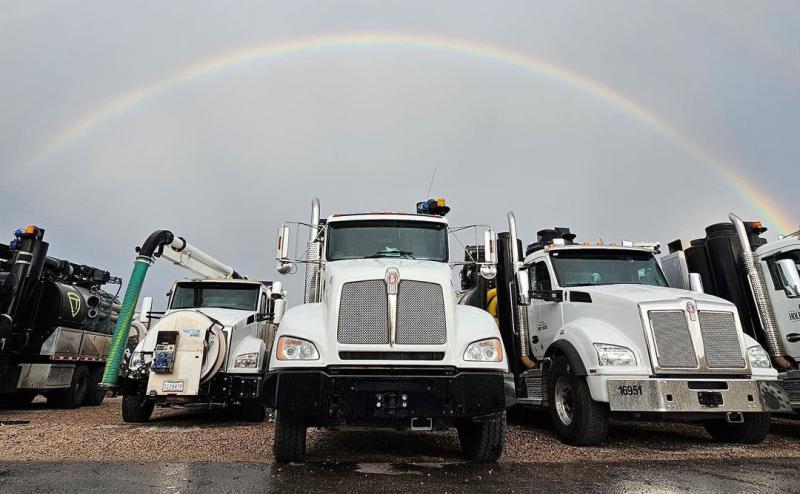
Insurance is an important part of operating hydrovac trucks because the work combines heavy equipment, water pressure, vacuum systems, road travel, excavation risk, and underground utility exposure. A hydrovac operator may be working near gas lines, electrical conduit, fiber optics, sewer mains, water lines, traffic, pedestrians, buildings, and customer property. Because of this, hydrovac companies usually need insurance coverage that goes beyond basic vehicle insurance. The right policy structure can help protect the business from accidents, property damage, injuries, equipment loss, and claims related to utility strikes or jobsite delays.
One of the first insurance considerations for hydrovac operators is commercial auto coverage. A hydrovac truck is a large, specialized vehicle that travels between jobsites, often carrying water, debris, hoses, pumps, and other equipment. If a hydrovac truck is involved in a roadway accident, the cost of damage can be much higher than a standard service vehicle. Commercial auto insurance should account for the size, value, use, and operating radius of the hydrovac truck. Companies may also need coverage for hired and non-owned vehicles if employees use rented vehicles, support trucks, or personal vehicles for company work.
General liability insurance is also essential for hydrovac operations. This coverage can respond to third-party property damage or bodily injury claims that happen during work. For example, if hydrovac excavation damages nearby pavement, landscaping, fencing, or a building structure, general liability may help cover the claim. Since hydrovac work often takes place on commercial properties, municipal sites, roadways, and utility corridors, customers may require specific liability limits before allowing work to begin. Many contracts also require the hydrovac contractor to provide certificates of insurance and name the customer as an additional insured.
Another major concern is utility damage. Hydrovac excavation is often chosen because it is safer than mechanical digging, but no excavation method removes all risk. A hydrovac crew could still expose, undermine, or damage underground infrastructure, especially when records are inaccurate or utilities are shallow, fragile, or poorly marked. Operators should confirm whether their insurance policy includes coverage for underground utility damage, completed operations, and resulting property damage. Some policies may exclude certain utility-related losses, so hydrovac companies need to review the details carefully instead of assuming they are covered.
Workers’ compensation is another key insurance need. Hydrovac operators face risks from slips, falls, hose handling, high-pressure water, confined spaces, traffic exposure, flying debris, and heavy equipment. Workers’ compensation helps cover medical costs and lost wages when employees are injured on the job. Strong safety training, documented procedures, personal protective equipment, and regular hydrovac truck maintenance can also help reduce claims and improve insurability.
Equipment coverage should not be overlooked. A hydrovac truck can represent a major investment, and repairs to pumps, tanks, boilers, vacuum systems, hoses, and hydraulic components can be expensive. Physical damage coverage, inland marine coverage, and equipment breakdown coverage may all be relevant depending on how the policy is written. Operators should make sure the insured value reflects the true replacement or repair cost of the hydrovac truck and its attached systems.
Overall, hydrovac operators should treat insurance as part of their risk management plan, not just a contract requirement. The best coverage depends on the type of hydrovac work performed, the size of the fleet, the job locations, employee count, utility exposure, and customer requirements. A hydrovac business should work with an insurance provider familiar with excavation, trucking, and utility work so the policy matches the real risks of operating hydrovac trucks.
If you have an upcoming excavation project you'd like to discuss, contact the professional excavators here at Hole Hogz. We service Las Vegas, Henderson, Boulder City, and most parts of Clark County Nevada.