


Hydrovac Excavation in Remote or Rugged Terrain
Hydrovac trucks can go almost anywhere.
Posted 02:52 May 15, 2026
Last Updated 02:52 May 15, 2026
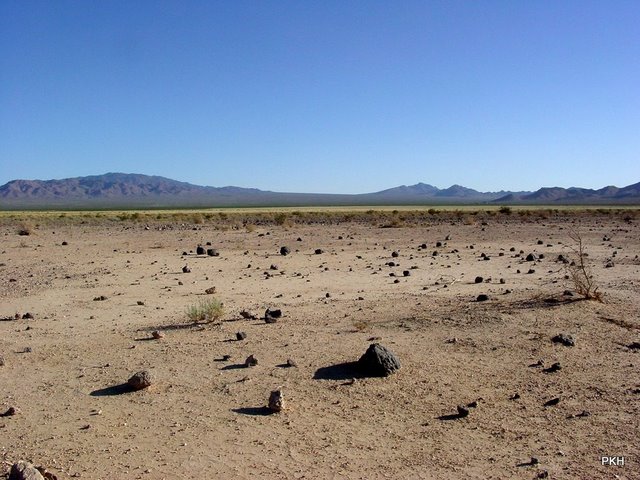
Hydrovac excavation is especially valuable in remote or rugged terrain because it gives crews a controlled way to dig in areas where traditional excavation can be difficult, risky, or inefficient. Remote jobsites often include uneven ground, limited road access, steep grades, soft soil, rocky areas, utility corridors, pipeline routes, oil and gas locations, rural construction sites, and areas where large excavation equipment may be hard to move safely. A hydrovac truck can help solve many of these challenges by using pressurized water to loosen soil and a vacuum system to remove the material into a debris tank. This allows hydrovac crews to excavate with precision while reducing the need for aggressive mechanical digging in sensitive or hard-to-reach areas.
One of the biggest advantages of hydrovac excavation in rugged terrain is reduced ground disturbance. In remote environments, contractors may need to protect natural land features, access roads, drainage areas, vegetation, and nearby infrastructure. Mechanical excavation can create larger work zones, bigger spoil piles, and more surface damage. A hydrovac truck can focus excavation on a smaller target area, which helps limit unnecessary disruption. This is useful for daylighting utilities, exposing pipelines, digging pole holes, cleaning culverts, trenching short sections, or locating buried infrastructure before larger work begins.
Access planning is one of the most important parts of using hydrovac trucks in remote locations. The truck must be able to reach the site safely, park on stable ground, and operate without getting stuck or creating a hazard. In rugged terrain, crews may need to evaluate road conditions, slope, soil stability, turning radius, overhead clearance, and whether the hydrovac truck can get close enough to the excavation point. When direct access is not possible, longer hose runs may allow the hydrovac crew to work from a safer parking location. However, long hose runs can reduce efficiency, so they should be considered during planning and estimating.
Water supply and debris disposal are also major factors in remote hydrovac work. A hydrovac truck needs enough water to complete the excavation, and remote sites may not have hydrants or reliable refill points nearby. Crews may need to bring additional water trucks, plan refill trips, or stage water tanks near the jobsite. Disposal can also be more complicated because the slurry collected by the hydrovac truck may need to be transported a long distance to an approved dump site. These travel and disposal requirements can affect both cost and schedule, so they should be included in the project plan.
Hydrovac excavation can also improve safety in remote areas where emergency response may be farther away. By reducing the chance of utility strikes, cave-ins, and uncontrolled excavation damage, hydrovac methods help crews work more carefully in locations where delays or accidents can be harder to manage. Rugged terrain already creates hazards such as unstable footing, equipment movement, weather exposure, and limited communication, so using a precise excavation method can help reduce overall jobsite risk.
Overall, hydrovac excavation is a strong solution for remote or rugged terrain because it combines flexibility, precision, and reduced surface impact. While planning is critical, especially for access, water, disposal, and equipment positioning, hydrovac trucks can help contractors complete difficult excavation work in challenging locations with better control and less disruption.
If you have an upcoming excavation project you'd like to discuss, contact the professional excavators here at Hole Hogz. We service Las Vegas, Henderson, Boulder City, and most parts of Clark County Nevada.