


How to Estimate Costs for Hydrovac Projects
There are several key considerations.
Posted 02:47 May 08, 2026
Last Updated 02:47 May 08, 2026
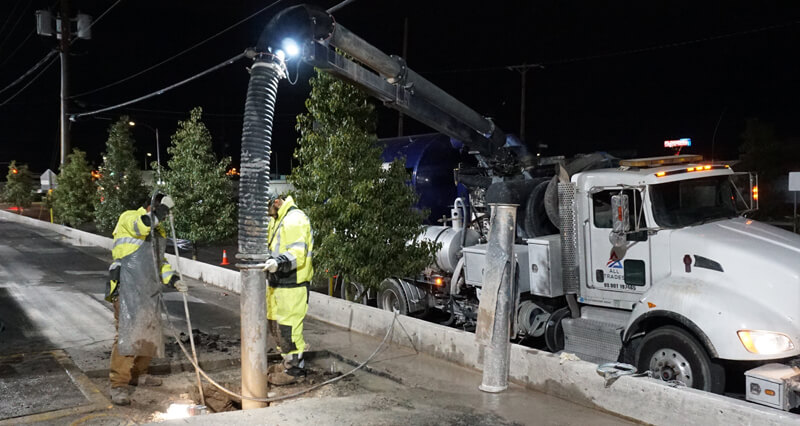
Estimating costs for hydrovac projects starts with understanding the scope of work, the site conditions, and the production rate expected from the hydrovac truck. Unlike simple excavation pricing, hydrovac work depends on several variables, including soil type, depth, access, disposal requirements, travel time, water availability, and the risk level around underground utilities. A good hydrovac estimate should account for both the time required to complete the work and the supporting costs needed to keep the truck, operator, and crew productive throughout the job.
The first step is to define the purpose of the hydrovac project. A small utility daylighting job may only require exposing a few gas, water, or communication lines, while a larger hydrovac project may involve trenching, slot trenching, pole holes, valve box cleanouts, sewer exposure, or industrial cleanup. Each type of work has a different production rate. For example, potholing to expose utilities may involve several small excavations across a jobsite, while trenching may require continuous excavation over a longer distance. The estimate should include the expected number of holes, the approximate depth and diameter of each excavation, or the total length, width, and depth of the trench.
Soil condition is one of the biggest factors in hydrovac pricing. Loose sandy soil is usually faster to excavate than heavy clay, compacted soil, rocky ground, or frozen material. If heated water is needed, the hydrovac truck may consume more fuel and operate at a slower pace. Frozen ground can add time because the operator must break down the frost layer with hot water before the vacuum system can remove the slurry efficiently. When estimating hydrovac work, it is important to consider whether the ground is soft, compacted, wet, rocky, contaminated, or frozen, because these conditions directly affect labor time and truck operating cost.
Access and setup time also matter. A hydrovac truck may need to park in a specific location to avoid traffic, protect nearby structures, or reach the excavation area with hoses. If the truck cannot get close to the work area, longer hose runs may reduce efficiency and require extra labor. Jobs on streets, parking lots, industrial plants, or tight commercial sites may also require traffic control, cones, barricades, permits, spotters, or after-hours scheduling. These items should be included in the hydrovac estimate because they can add significant cost even when the actual digging time is limited.
Disposal is another major cost item. Hydrovac excavation creates slurry, which must be stored in the debris tank and legally disposed of. Clean soil and water may be cheaper to dump than contaminated material, industrial waste, or slurry from sensitive sites. The estimator should consider the distance to the disposal facility, dump fees, the number of loads required, and the time spent leaving the site, dumping, refilling water, and returning to work. A hydrovac truck with a full debris tank cannot continue excavating until it is emptied, so disposal time can affect both cost and schedule.
Labor, equipment rates, and minimum charges should also be included. Many hydrovac companies price work by the hour, half day, full day, or project. The rate may include the hydrovac truck, operator, helper, fuel, standard hoses, and basic tools, but some items may be extra. A complete estimate should clearly state mobilization, hourly rates, minimum billing time, disposal fees, permit costs, traffic control, standby time, water supply needs, and any special conditions. Overall, accurate hydrovac estimating comes from matching the truck, crew, site conditions, and production expectations to the real demands of the project.
If you have an upcoming excavation project you'd like to discuss, contact the professional excavators here at Hole Hogz. We service Las Vegas, Henderson, Boulder City, and most parts of Clark County Nevada.