


How Hydrovac Trucks Work: Inside Modern Hydroexcavation Equipment
They've changed the excavation industry.
Posted 06:51 March 01, 2026
Last Updated 06:51 March 01, 2026
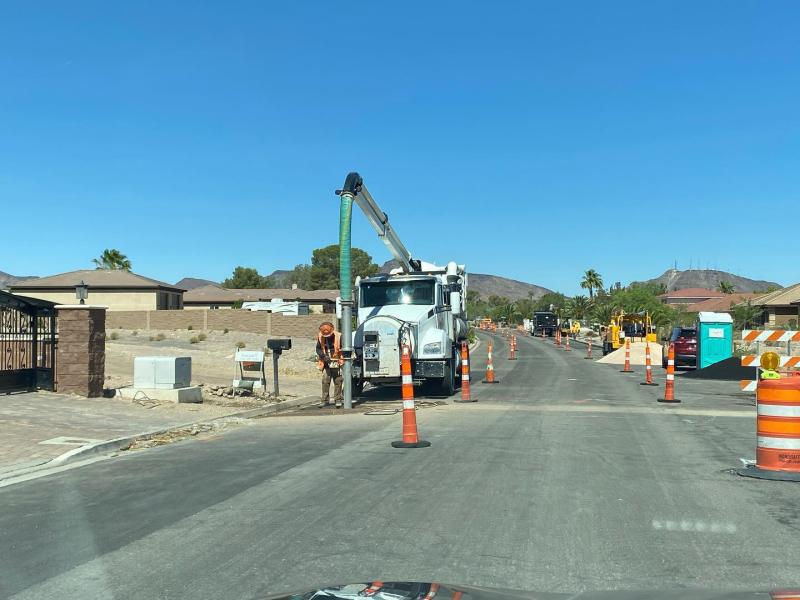
A hydrovac truck operates through a coordinated system of high-pressure water delivery and air vacuum extraction. The process begins with a water tank that feeds a high-pressure pump capable of delivering heated or ambient water through a handheld wand. The operator directs this pressurized stream at the ground, effectively liquefying the soil into a slurry. This precision allows the hydrovac to expose buried structures without direct contact, significantly reducing the chances of accidental strikes. Heated water is especially valuable in colder climates, where frozen ground would otherwise require more aggressive mechanical methods.
Once the soil is loosened, the second critical component of the hydrovac system comes into play: the vacuum. A large hose connected to either a fan system or a positive displacement blower creates suction strong enough to lift the slurry from the excavation site. This mixture is then transported through the hose into a debris tank mounted on the truck. The debris tank safely contains the excavated material, allowing for clean and efficient disposal later. This closed-loop process ensures that the worksite remains tidy and minimizes environmental disruption.
Modern hydrovac trucks are engineered with advanced controls and safety features that enhance both performance and usability. Operators can precisely regulate water pressure and vacuum strength, adapting the hydrovac system to different soil conditions and project requirements. Some units include remote controls, onboard diagnostics, and filtration systems that protect internal components from damage. The choice between fan-based and blower-based vacuum systems also plays a role in performance; fan systems move large volumes of air quickly, making them ideal for shallow, fast excavations, while positive displacement blowers provide stronger suction over longer distances and depths.
The versatility of hydrovac equipment extends beyond simple excavation. It is widely used for daylighting, trenching, potholing, and even industrial cleaning applications. In urban environments, where underground congestion is high, the hydrovac method offers a non-destructive solution that improves safety and reduces costly repairs. Additionally, because hydrovac excavation is more controlled, it often requires fewer workers and less restoration work after the job is complete, leading to overall cost savings despite the specialized equipment.
In essence, the hydrovac truck represents a convergence of water pressure technology and industrial vacuum engineering. By combining these elements, hydrovac systems deliver a precise, efficient, and safer approach to excavation. As infrastructure becomes more complex and the demand for non-invasive methods grows, the role of hydrovac equipment continues to expand, solidifying its place as a critical tool in modern construction and utility maintenance.
If you have an upcoming excavation project you'd like to discuss, contact the professional excavators here at Hole Hogz. We service Las Vegas, Henderson, Boulder City, and most parts of Clark County Nevada.