


How Hydrovac Supports Pipeline Maintenance and Repair
It's a vital component
Posted 07:17 June 05, 2026
Last Updated 07:17 June 05, 2026
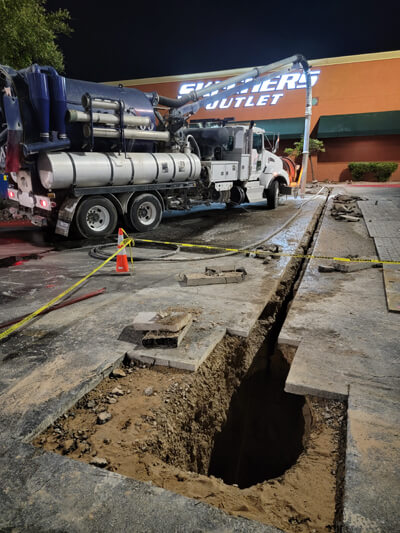 Hydrovac excavation plays an important role in pipeline maintenance and repair because it gives crews a safer and more controlled way to expose buried pipelines without relying on aggressive mechanical digging. Pipelines may carry water, sewer, gas, oil, chemicals, or other critical materials, and damaging them during excavation can create major safety, environmental, and service problems. A hydrovac truck uses pressurized water to loosen soil and a powerful vacuum system to remove the material into a debris tank. This allows hydrovac crews to uncover pipelines with precision, reducing the risk of accidental strikes, coating damage, dents, or other excavation-related problems.
One of the main ways hydrovac supports pipeline maintenance is through daylighting. Before repair or inspection work begins, crews often need to confirm the exact location, depth, direction, and condition of the pipeline. Utility maps and records are not always accurate, especially on older systems or in areas where multiple utilities are buried close together. Hydrovac excavation allows operators to carefully expose the pipeline so inspectors and repair crews can verify what they are working with. This helps reduce guesswork and allows the project team to plan the repair more accurately.
Hydrovac trucks are also useful when pipelines need to be inspected for leaks, corrosion, coating damage, or structural concerns. Instead of opening a large trench with an excavator, crews can use hydrovac methods to create a smaller, targeted excavation around the area of concern. This is especially helpful when the repair location is near other utilities, roadways, buildings, fences, landscaping, or environmentally sensitive areas. By limiting the size of the excavation, hydrovac work can reduce surface disruption, cleanup time, and restoration costs.
For pipeline repair, hydrovac excavation can improve both safety and efficiency. When a damaged section of pipe needs to be exposed, the surrounding soil must often be removed carefully so the pipe is accessible from multiple sides. A hydrovac truck can remove soil from around the pipe while helping preserve the pipe’s surface and nearby infrastructure. This gives welders, plumbers, utility technicians, or pipeline repair crews enough room to work while reducing the chance of causing additional damage. Hydrovac excavation can also help remove mud, water, loose backfill, or debris from the work area, keeping the repair zone cleaner and easier to manage.
Hydrovac is also valuable for emergency pipeline repairs. When a leak or service failure occurs, time matters. Crews must locate the pipeline, expose the damaged area, and make the repair as quickly and safely as possible. A hydrovac truck can speed up the exposure process while reducing the risk of making the situation worse. In crowded utility corridors, this can be especially important because mechanical excavation may be too risky near gas lines, electrical lines, fiber optic cables, or sewer infrastructure.
Another benefit of hydrovac excavation is better material control. The slurry removed by the hydrovac truck is contained in the debris tank instead of being piled around the jobsite. This can help maintain a cleaner, safer work area and reduce the amount of loose spoil near the pipeline excavation. On projects where soil may be contaminated, this containment can also support better environmental handling and disposal.
Overall, hydrovac trucks support pipeline maintenance and repair by improving accuracy, reducing excavation risk, limiting disruption, and helping crews work more efficiently around buried infrastructure. Whether the job involves daylighting, inspection, leak repair, coating work, or emergency response, hydrovac excavation gives pipeline crews a practical method for exposing and protecting critical underground systems.