


Comparing Hydrovac vs Mechanical Excavation: Cost, Safety, and Efficiency
There's a clear winner.
Posted 08:07 March 16, 2026
Last Updated 08:07 March 16, 2026
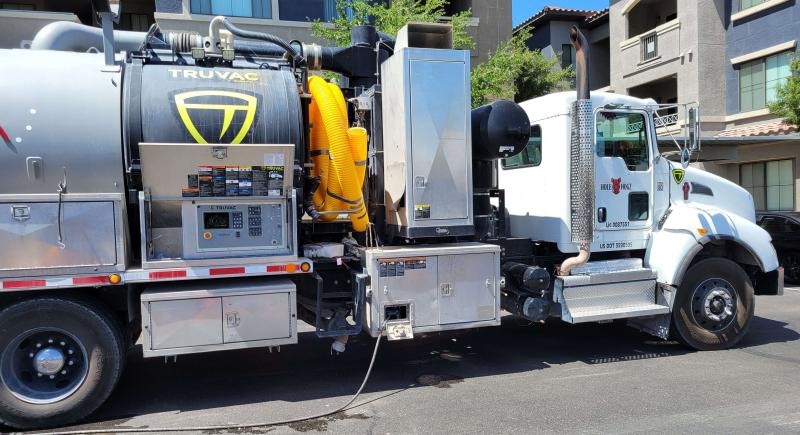
Hydrovac technology has emerged as a superior alternative to traditional mechanical excavation, particularly when comparing cost, safety, and efficiency. At its core, a hydrovac system uses pressurized water to break up soil and a powerful vacuum to remove the resulting slurry, allowing for precise, non-destructive digging. In contrast, mechanical excavation relies on heavy equipment such as backhoes, trenchers, and excavators that physically cut into the ground. While both methods have their place, hydrovac offers distinct advantages that make it the preferred choice in many modern applications, especially those involving underground utilities or sensitive environments.
When evaluating cost, the comparison between hydrovac and mechanical excavation is not as straightforward as initial equipment expenses. Hydrovac trucks typically require a higher upfront investment and specialized operators, which can make them appear more expensive at first glance. However, hydrovac often reduces overall project costs by minimizing the risk of damaging underground infrastructure. Striking a gas line, fiber optic cable, or water main during mechanical excavation can lead to significant repair expenses, project delays, and potential liability. By using hydrovac methods, contractors can avoid these costly setbacks, resulting in more predictable and controlled project budgets. Additionally, hydrovac reduces the need for extensive site restoration, as the excavation is more targeted and less disruptive.
Safety is another critical factor where hydrovac clearly outperforms mechanical excavation. Traditional digging methods involve heavy machinery with metal components that can easily damage buried utilities, creating dangerous situations such as gas leaks, electrical hazards, or flooding. Hydrovac eliminates much of this risk by using water and air instead of sharp, forceful equipment. The precision of hydrovac excavation allows operators to expose utilities without direct contact, significantly lowering the chance of accidents. Furthermore, hydrovac systems can often be operated from a distance, keeping workers out of potentially hazardous excavation zones. This added level of control makes hydrovac an essential tool for projects in densely populated or utility-heavy areas where safety is a top priority.
Efficiency is another area where hydrovac demonstrates strong advantages over mechanical methods. While mechanical excavation can move large volumes of soil quickly, it often lacks the precision needed for detailed work. This can result in over-excavation, additional labor, and longer project timelines due to the need for corrections or repairs. Hydrovac, on the other hand, allows for highly accurate digging, enabling crews to complete tasks such as potholing, trenching, and utility daylighting more quickly and with fewer complications. The ability to adjust water pressure and vacuum strength means that hydrovac can adapt to different soil conditions, maintaining consistent performance across a wide range of environments. In many cases, this precision leads to faster overall project completion despite the seemingly slower excavation process.
Ultimately, the choice between hydrovac and mechanical excavation depends on the specific needs of the project, but the advantages of hydrovac are increasingly difficult to ignore. Its ability to reduce costs associated with damage and restoration, enhance safety by minimizing risks, and improve efficiency through precise excavation makes it a valuable asset in modern construction and utility work. As infrastructure systems become more complex and the demand for non-destructive methods grows, hydrovac continues to establish itself as the smarter, more reliable solution for excavation challenges.
If you have an upcoming excavation project you'd like to discuss, contact the professional excavators here at Hole Hogz. We service Las Vegas, Henderson, Boulder City, and most parts of Clark County Nevada.