


Understanding the Physics of Water Erosion in Hydroexcavation
Success depends on its understanding.
Posted 02:43 August 04, 2026
Last Updated 02:43 August 04, 2026
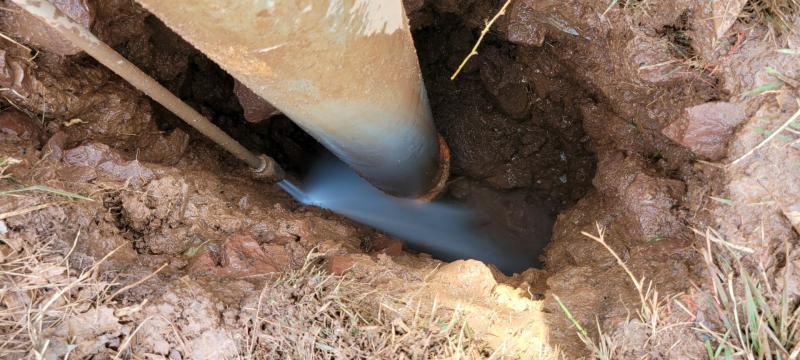
Understanding the physics of water erosion in hydroexcavation helps explain why hydrovac trucks can dig effectively while reducing the risk of damage compared with mechanical excavation. A hydrovac truck uses pressurized water to break apart soil and a vacuum system to remove the loosened material into a debris tank. The water does not simply wash soil away at random. It applies force, transfers energy, weakens bonds between soil particles, and creates a slurry that can be carried by airflow. This controlled use of erosion is what makes hydrovac excavation useful for utility exposure, trenching, pole holes, pipeline work, and other sensitive digging tasks.
At the center of hydrovac excavation is water pressure. Pressure is the amount of force applied over a specific area, and when water is pushed through a small nozzle, that pressure becomes a focused stream. The smaller the nozzle opening and the higher the pump output, the more concentrated the water jet becomes. In hydrovac work, this focused stream strikes the soil surface and transfers energy into the ground. The impact breaks apart compacted material, separates grains, and loosens clay, sand, gravel, or silt. Operators can adjust pressure, nozzle type, angle, and distance to match the soil conditions and the sensitivity of nearby utilities.
Soil behavior plays a major role in how water erosion works. Sandy soil often breaks apart quickly because the particles are loose and have less cohesion. Clay can be more difficult because its fine particles bind together tightly and hold water differently. Compacted soil may require more time because the particles are pressed together with less open space for water to enter. Frozen ground adds another challenge because ice bonds the soil particles into a hard mass. In these conditions, a hydrovac truck with heated water can transfer thermal energy into the ground, softening ice and allowing the water jet to begin cutting and loosening the material.
The angle of the water stream also affects hydrovac performance. A direct blast can penetrate soil, while a sweeping motion can shave away layers more gradually. Skilled hydrovac operators use controlled wand movement to avoid undermining nearby structures or damaging exposed utilities. The goal is not to use the highest possible pressure at all times, but to use enough energy to loosen the soil efficiently while maintaining control. This is especially important near plastic pipe, fiber optic cable, electrical conduit, gas lines, and other buried infrastructure.
Once the soil is loosened, water changes the material into slurry. This slurry is easier for the hydrovac truck’s vacuum system to remove because the water helps suspend soil particles and move them through the hose. The vacuum system creates airflow that carries the slurry from the excavation point into the debris tank. This combination of erosion and suction keeps the excavation cleaner and prevents large spoil piles from forming around the work area.
Hydrovac excavation is effective because it uses physics in a controlled way. Water pressure provides cutting force, water flow carries energy into the soil, soil structure determines how quickly material breaks down, and vacuum airflow removes the loosened slurry. By understanding these principles, hydrovac operators can choose better pressure settings, nozzle angles, water temperature, and digging techniques. The result is safer, cleaner, and more precise excavation using hydrovac trucks.
If you have an upcoming excavation project you'd like to discuss, contact the professional excavators here at Hole Hogz. We service Las Vegas, Henderson, Boulder City, and most parts of Clark County Nevada.