


Comparing Wet and Dry Vacuum Excavation Systems
They are very different.
Posted 02:26 July 17, 2026
Last Updated 02:26 July 17, 2026
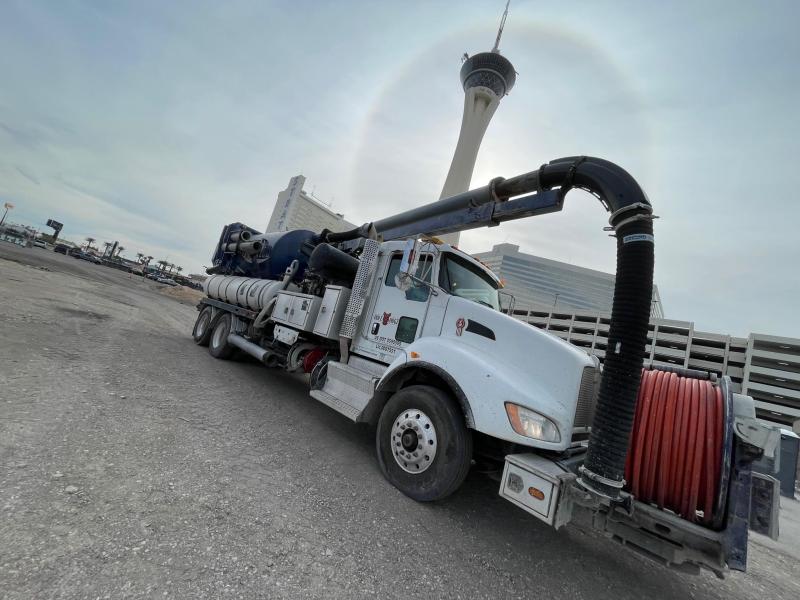
Comparing wet and dry vacuum excavation systems is important because each method has different strengths depending on soil conditions, jobsite requirements, disposal needs, and the type of buried infrastructure being exposed. A hydrovac truck traditionally uses water to loosen soil and a vacuum system to remove the resulting slurry into a debris tank. This is commonly called wet vacuum excavation or hydroexcavation. Dry vacuum excavation, sometimes called air excavation, uses compressed air instead of water to break up the soil before the vacuum system removes the loosened material. Both methods can be used for utility exposure, potholing, trenching, and sensitive excavation, but the best choice depends on the job.
Wet hydrovac excavation is often preferred when soil is compacted, heavy, frozen, or difficult to break apart. Pressurized water can cut through clay, hard-packed material, and frost more effectively than air in many situations. Heated water systems can make a hydrovac truck especially useful in cold climates where frozen ground would slow down hand digging or mechanical excavation. Because water softens the soil, wet hydrovac methods can improve production and reduce operator fatigue on demanding jobs. This makes wet hydrovac excavation a strong option for pipeline exposure, utility daylighting, construction site preparation, industrial cleanup, and emergency repairs.
The main tradeoff with wet hydrovac excavation is slurry management. Once water is added to the soil, the material becomes heavier and must be handled as a wet load. The hydrovac truck stores the slurry in its debris tank, and the material must be transported to an approved disposal site or processing facility. Disposal may be simple when the soil is clean, but it can become more expensive if the material is contaminated or if local facilities charge higher fees for wet waste. Wet hydrovac work also requires a reliable water supply, which may add planning time on remote jobsites.
Dry vacuum excavation has its own advantages. Because it uses air instead of water, the excavated soil can often remain dry enough to be reused as backfill, depending on the project and soil condition. This can reduce disposal volume, lower hauling costs, and make restoration easier. Dry excavation may be useful in areas where water use is restricted, where mud would create jobsite problems, or where the customer wants to preserve native soil for replacement. Air excavation can also be gentle around certain buried utilities, making it useful for careful utility exposure when the ground is suitable.
However, dry systems may be slower in hard, rocky, compacted, or frozen ground. Air may not break down difficult soil as efficiently as pressurized water, which can limit productivity. Dry vacuum excavation can also create more dust, which may require additional controls to protect workers, pedestrians, nearby buildings, or sensitive equipment. In some environments, dust control may make wet hydrovac excavation the cleaner and more practical choice.
Overall, wet and dry vacuum excavation systems both support safer digging around buried infrastructure, but they solve different jobsite problems. Wet hydrovac excavation offers strong cutting power, faster production in tough soil, and better performance in frozen conditions. Dry vacuum excavation can reduce water use, preserve excavated material, and simplify backfilling in suitable soil. The best hydrovac approach depends on access, soil type, weather, disposal rules, utility sensitivity, environmental concerns, and project goals. Contractors who understand both systems can choose the most efficient and cost-effective method for each excavation.
If you have an upcoming excavation project you'd like to discuss, contact the professional excavators here at Hole Hogz. We service Las Vegas, Henderson, Boulder City, and most parts of Clark County Nevada.