

The Role of GPS and Telematics in Hydrovac Operations
Get there on schedule.
Posted 11:02 January 08, 2026
Last Updated 11:02 January 08, 2026
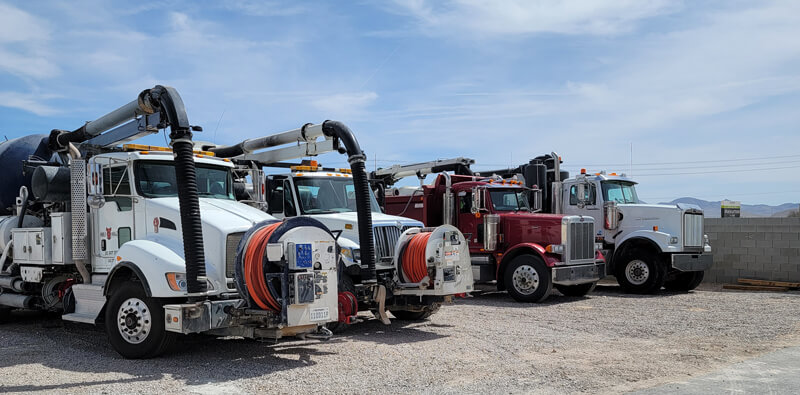
The role of GPS and telematics in hydrovac operations has become essential for efficiency, safety, cost control, and regulatory compliance. Hydrovac trucks operate in high-value, time-sensitive environments where delays or mistakes are expensive, and real-time visibility transforms fleet performance.
GPS provides precise location tracking of every hydrovac truck. Dispatchers see exact positions, route history, and arrival times on a live map. This eliminates phone calls asking “where are you?” and allows dynamic re-assignment when a closer hydrovac unit is available for an emergency pothole or daylighting job. In congested urban areas or remote oilfield sites, GPS reduces unnecessary miles, lowers fuel consumption, and shortens response times—often cutting project mobilization by 20–40%.
Telematics goes far beyond location. Modern systems integrated into hydrovac trucks monitor engine hours, idle time, harsh braking, speeding, and geofence violations. Excessive idling—a common issue when operators wait for locates or utility verification—drives up fuel and emissions costs. Telematics alerts managers instantly, enabling coaching that can reduce idle time by 30% or more. Harsh driving data helps identify operators who need retraining, lowering accident risk and insurance premiums.
Equipment health monitoring is another major benefit. Telematics pulls diagnostic trouble codes, coolant temperature, oil pressure, vacuum blower vibration, and hydraulic system performance directly from the hydrovac truck’s CAN bus. When a high-pressure pump begins losing efficiency or a boiler shows early signs of scale buildup, the system flags the issue days or weeks before failure. Predictive alerts allow scheduled maintenance during off-peak hours instead of emergency roadside repairs that strand a hydrovac truck and delay customer projects.
Utilization tracking is critical for fleet sizing decisions. Telematics records when a hydrovac truck is moving, actively excavating, offloading slurry, or sitting idle. Companies can identify under-utilized units and delay new purchases or, conversely, justify adding capacity when utilization consistently exceeds 75–80%. Accurate data also supports accurate job costing—knowing exactly how long a hydrovac truck spent on-site versus travel time improves bidding accuracy and profitability.
Safety and compliance improve significantly. Geofencing ensures hydrovac trucks stay within permitted work zones, reducing unauthorized entry fines. Electronic logging of hours of service for CDL drivers meets DOT requirements automatically. In the event of an incident, timestamped GPS and telematics data provide an objective record of speed, location, and operation, protecting the company in liability disputes.
Data from telematics also feeds continuous improvement. Managers analyze patterns—such as which soil types cause the fastest wear on nozzles or which operators use the least water per cubic yard excavated—and adjust training, equipment specs, or dispatching rules accordingly.
Overall, GPS and telematics turn hydrovac trucks from isolated pieces of equipment into connected assets within a smart fleet. The combination of location awareness, real-time diagnostics, utilization insights, and driver behavior monitoring reduces downtime, cuts operating costs, enhances safety, and improves customer satisfaction—making these technologies indispensable for competitive hydrovac operations in today’s market.
If you have an upcoming excavation project you'd like to discuss, contact the professional excavators here at Hole Hogz. We service Las Vegas, Henderson, Boulder City, and most parts of Clark County Nevada.