


Common Mistakes to Avoid During Hydroexcavation
Don't make these costly errors.
Posted 11:09 January 15, 2026
Last Updated 11:09 January 15, 2026
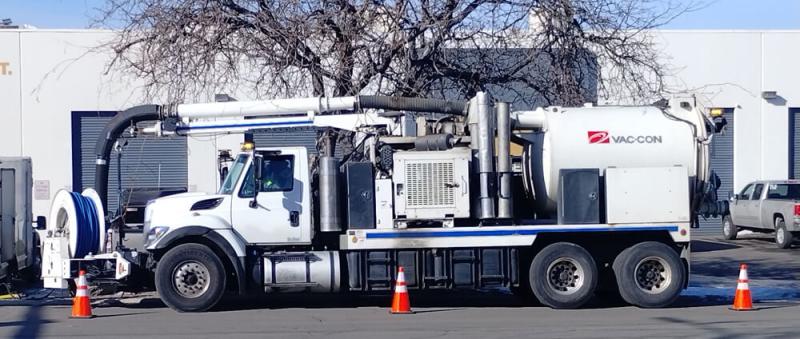
Common mistakes to avoid during hydroexcavation can turn a safe, efficient process into costly damage, injuries, or project delays. Hydrovac operators must recognize and eliminate these errors to protect utilities, workers, and equipment.
One frequent mistake is skipping or rushing pre-excavation utility locating. Even with an 811 ticket, locate marks are approximate and often inaccurate. Relying solely on paint without verification using ground-penetrating radar or electromagnetic locators frequently leads to hydrovac trucks striking unmarked or mislocated lines. Always confirm utilities by daylighting with the hydrovac truck before any deeper digging.
Another serious error is using excessive water pressure without adjusting for soil type. In loose sandy soils, high pressure (above 2,500 psi) can cause rapid over-excavation and trench collapse. In dense clay or caliche, insufficient pressure wastes time and water. Operators must start low and increase gradually while watching soil response to prevent destabilizing the excavation or wasting resources.
Improper wand technique is extremely common and dangerous. Holding the wand too close or directing the jet straight down creates narrow, deep holes that can undermine utilities or cause cave-ins. The correct method uses sweeping, angled motions to create wide, shallow cuts first, maintaining stable walls. Poor technique also leads to hose whipping, nozzle damage, and operator fatigue.
Failing to monitor vacuum performance causes many problems. Running the blower with a clogged filter, full debris tank, or kinked hose reduces suction dramatically, leading to slow progress, slurry overflow, and potential tank over-pressurization. Operators must check vacuum gauges frequently, listen for unusual sounds, and offload slurry before it reaches 80–85% capacity.
Neglecting personal protective equipment and site safety setup is another critical mistake. High-pressure water can cause severe injection injuries, yet some operators skip face shields, waterproof suits, or steel-toe boots. Inadequate traffic control, missing spotters, or working without fall protection in deep excavations increases injury risk significantly.
Overlooking equipment pre- and post-shift inspections leads to mid-job failures. Skipping checks of hoses, nozzles, boiler function, hydraulic fluid, and belt tension often results in breakdowns that strand the hydrovac truck on-site. Daily inspections catch small leaks or wear before they become major repairs.
Finally, many operators fail to manage slurry responsibly. Dumping untreated slurry on-site, allowing overflow, or discharging water without testing for contaminants violates environmental regulations and risks large fines. Proper dewatering, recycling, and disposal practices are mandatory.
Avoiding these common mistakes—rushed locating, improper pressure/wand use, vacuum neglect, PPE/safety shortcuts, skipped inspections, and poor slurry management—keeps hydrovac operations safe, compliant, and profitable. Consistent training, checklists, and accountability turn potential errors into preventable habits that protect people, infrastructure, and the bottom line.
If you have an upcoming excavation project you'd like to discuss, contact the professional excavators here at Hole Hogz. We service Las Vegas, Henderson, Boulder City, and most parts of Clark County Nevada.