


Preventing Equipment Downtime in Hydroexcavation
Time is money.
Posted 10:48 January 01, 2026
Last Updated 10:48 January 01, 2026
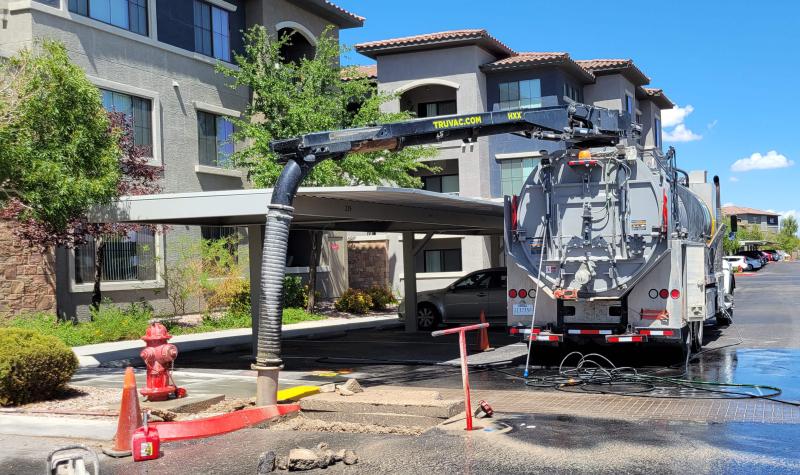
Daily operator inspections form the first line of defense against downtime. Trained hydrovac operators check critical components before each shift: water pump pressure, boiler function, vacuum blower belts, hydraulic fluid levels, hose integrity, and debris tank seals. Identifying small issues—such as minor leaks, worn nozzles, or clogged filters—early prevents catastrophic failures mid-job. Companies enforce standardized pre- and post-shift checklists, often digitized through apps, ensuring nothing is overlooked and creating a record for warranty claims or trend analysis.
Scheduled preventive maintenance is the backbone of reliable hydrovac performance. Most fleets follow manufacturer-recommended intervals: 250-hour oil and filter changes for engines and vacuum blowers, 500-hour deep services on high-pressure pumps and boilers, and annual inspections of pressure vessels and safety relief valves. In harsh environments, hydrovac trucks require more frequent attention to abrasion-prone parts like slurry hoses, shaker deck screens, and cyclone separators. Many operators use condition-based monitoring—vibration sensors on blowers, temperature alerts on boilers, and pressure trend logging—to schedule service before failure occurs, shifting from reactive to predictive maintenance.
Telematics and fleet management software significantly reduce hydrovac downtime. Systems like Geotab or RapidWorks provide real-time diagnostics, engine fault codes, idle time, and location data. When a hydrovac truck shows abnormal readings—such as elevated vacuum blower temperature or dropping water pressure—dispatchers receive alerts and can redirect the unit to a shop before a breakdown strands it on a job site. This technology also optimizes routing, reducing unnecessary miles and wear while improving overall fleet utilization.
Operator skill directly influences hydrovac reliability. Poor technique—running pumps dry, over-pressurizing nozzles, or improper slurry loading—accelerates component wear. Comprehensive training programs teach correct wand handling, pressure/flow adjustments for soil types, and safe shutdown procedures, minimizing abuse that leads to premature failures. Certified operators also perform better routine maintenance, extending intervals between major services.
Parts availability and logistics planning prevent extended downtime. Leading hydrovac companies maintain critical spares—pumps, hoses, nozzles, filters, belts—on-site or through rapid supplier agreements. Strategic stocking decisions, informed by historical failure data, ensure the most common failure points are covered without excessive inventory costs.
Finally, seasonal preparation keeps hydrovac trucks ready year-round. In cold climates, operators winterize lines and use antifreeze in boilers; in hot regions, cooling system checks and dust filter cleaning prevent overheating. These combined practices—daily checks, scheduled maintenance, telematics, skilled operators, parts readiness, and seasonal prep—minimize unplanned downtime, maximize hydrovac truck availability, and protect the bottom line in a competitive industry where reliability translates directly to customer satisfaction and repeat business.
If you have an upcoming excavation project you'd like to discuss, contact the professional excavators here at Hole Hogz. We service Las Vegas, Henderson, Boulder City, and most parts of Clark County Nevada.