


Hydrovac Applications in Oil and Gas Operations
Hydrovac trucks were made for this industry.
Posted 11:28 December 20, 2025
Last Updated 11:28 December 20, 2025
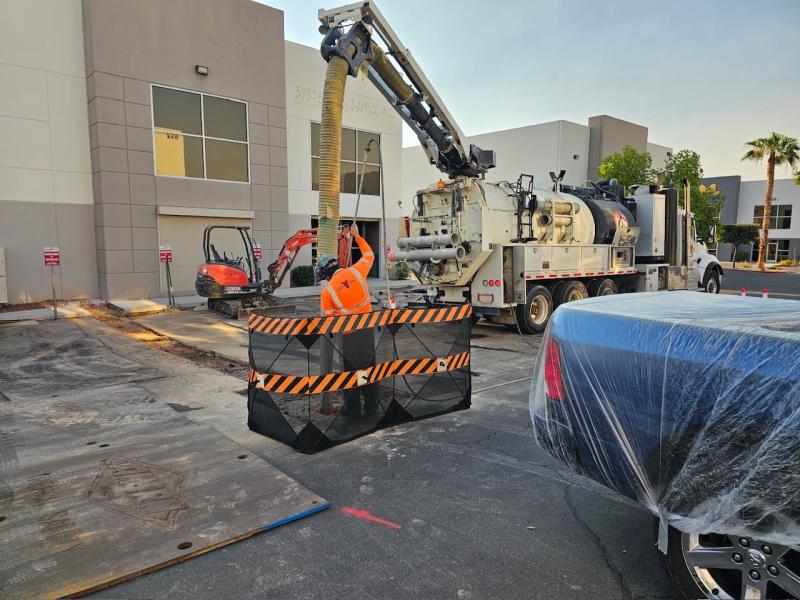
Hydrovac applications in oil and gas operations have revolutionized safe, precise excavation in hazardous environments, where hydrovac trucks provide non-destructive alternatives to mechanical digging around pipelines, well sites, and facilities. Hydrovac trucks, using high-pressure water jets and powerful vacuum systems, excel in exposing buried pipelines for inspection, maintenance, and repair without risking damage to critical infrastructure. In an industry where utility strikes can cost upwards of $100,000 per incident and lead to hazardous leaks or spills—estimated at 1.3 million gallons annually from U.S. pipelines—hydrovac trucks minimize these dangers by gently loosening soil into slurry and vacuuming it into sealed debris tanks, ensuring compliance with strict safety regulations and reducing downtime.
One primary application of hydrovac trucks in oil and gas is pipeline daylighting and potholing, where operators safely expose existing lines before installing new ones or performing tie-ins and crossings. Hydrovac trucks create narrow slot trenches or precise holes, allowing crews to verify pipeline integrity, apply coatings, or conduct anomaly digs without the vibrations or blunt force of backhoes that could fracture pipes. This precision is vital in midstream and downstream operations, supporting pipeline networks that transport millions of barrels of oil and billions of cubic feet of gas daily. Hydrovac trucks also facilitate remote digging with extended hoses up to 100 feet, accessing tight spaces around well pads or under existing structures while keeping operators at a safe distance from combustible materials.
Hydrovac trucks play a crucial role in spill response and environmental remediation at oilfields. Their vacuum systems efficiently remove contaminated soil, drilling mud, or oily wastewater, containing hazardous slurry in tanks to prevent groundwater pollution and align with U.S. Environmental Protection Agency standards. In tank cleaning and debris removal, specialized hydrovac trucks with liquid ring pumps handle volatile substances safely, reducing explosion risks. The ability to operate in extreme conditions—using heated water boilers up to 750,000 BTU for frozen ground—ensures year-round productivity, a significant advantage in regions like Canada and the northern U.S. where traditional methods falter during winter.
The benefits of hydrovac trucks extend to site preparation and decommissioning, where they create foundations for new installations or clean up well sites post-drilling. Hydrovac trucks minimize surface disruption, preserving fragile ecosystems and reducing restoration costs compared to mechanical excavation. Their on-board dewatering features, like shaker decks, separate solids from liquids for recycling, conserving water in arid oil-producing areas and lowering disposal expenses. This eco-friendly approach supports the industry's growing focus on sustainability while enhancing efficiency—hydrovac crews often complete tasks 40-60% faster than traditional methods, streamlining operations in high-stakes environments.
As the oil and gas sector prioritizes safety and environmental responsibility amid aging infrastructure, hydrovac trucks have become indispensable. Their non-destructive nature prevents costly spills, protects worker safety in flammable zones, and enables precise work around complex underground networks. With the hydrovac market expanding rapidly, these trucks continue to drive innovation in oil and gas operations, balancing operational demands with risk mitigation and regulatory compliance for a safer, more efficient industry.