


Fleet Management Strategies for Hydrovac Companies
Our trucks are our largest investment.
Posted 11:21 December 13, 2025
Last Updated 11:21 December 13, 2025
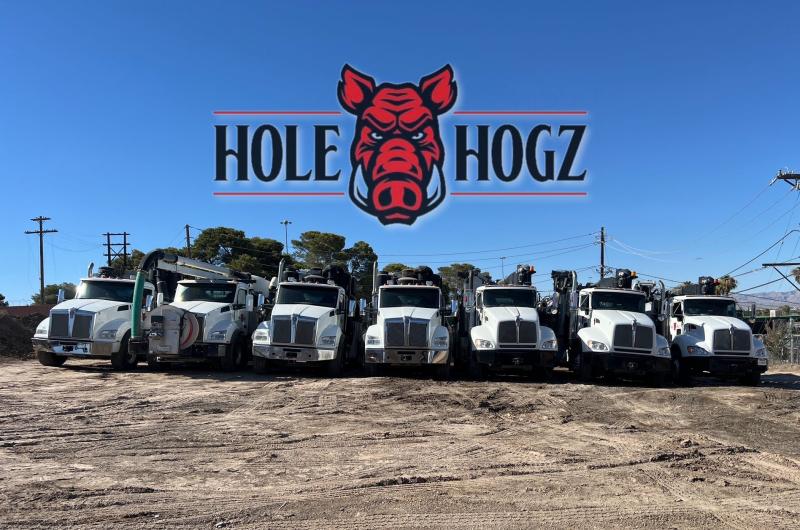
Fleet management strategies for hydrovac companies focus on maximizing uptime, ensuring safety, controlling costs, and leveraging technology to support growing demand in non-destructive excavation. Effective management of hydrovac fleets—often comprising specialized trucks costing $400,000 or more—involves preventive maintenance, telematics integration, operator training, and disciplined asset utilization, as demonstrated by industry leaders like Badger Infrastructure Solutions targeting 4-7% fleet growth in 2025 while emphasizing utilization and vertical manufacturing integration.
Preventive maintenance forms the foundation of successful hydrovac fleet management. Hydrovac trucks endure harsh conditions, including high-pressure water systems, abrasive slurries, and extreme temperatures, necessitating rigorous schedules for boilers, pumps, vacuum blowers, hoses, and filters. Companies implement daily operator inspections, weekly fluid checks, and monthly deep services, often augmented by on-board diagnostics and shaker decks for slurry separation. This approach extends equipment life, reduces breakdowns, and supports warranty compliance, with firms like those using Rapid Fleet software tracking repairs in real-time to prevent downtime that can cost thousands per day in lost revenue.
Telematics and GPS tracking have become indispensable tools for hydrovac fleet optimization. Systems like Geotab provide real-time data on vehicle location, performance, driver behavior, and maintenance needs, enabling dispatchers to route hydrovac trucks efficiently and monitor utilization rates. In regions with variable demand, such as seasonal construction peaks, these technologies help balance fleet size—avoiding overcapacity while ensuring readiness—and improve safety by flagging harsh driving or idling. Leading hydrovac operators use this data to achieve higher asset utilization, often targeting 70-80% to justify capital investments amid the industry's projected $1.5 billion market in 2025.
Operator training and certification directly impact hydrovac fleet performance and longevity. Comprehensive programs covering safe wand technique, pressure adjustments for soil types, and emergency protocols ensure consistent operation while minimizing equipment misuse. Companies invest in ongoing education, including OSHA compliance and manufacturer-specific courses, to reduce accident rates and extend component life. Well-trained crews complete jobs faster, use less water through efficient techniques, and conduct better pre/post-shift inspections, contributing to lower overall fleet operating costs.
Strategic fleet sizing and acquisition balance growth with financial prudence. Hydrovac companies analyze utilization thresholds—often triggering additions when exceeding 75%—while considering leasing versus purchasing to preserve capital. Vertical integration, as practiced by some manufacturers, allows custom builds optimized for regional needs, such as heated systems for cold climates or enhanced suction for heavy slurries. This disciplined approach supports organic expansion without overextending resources.
Software solutions streamline hydrovac fleet management by integrating dispatching, electronic ticketing, DVIRs, and payroll. Platforms like RapidWorks provide live views of hydrovac trucks, smart routing, and maintenance alerts, reducing administrative burdens and enabling data-driven decisions. As hydrovac demand rises with infrastructure investments, these tools help companies scale efficiently while maintaining profitability.
Ultimately, superior hydrovac fleet management transforms high-capital assets into reliable revenue generators. By prioritizing preventive care, technology adoption, skilled operators, and strategic planning, companies minimize risks, control costs, and position themselves for sustained growth in a competitive industry increasingly valued for its safety and precision.